

Jewelry Industry News: Museum Heist, Fraud Sentence

Today’s jewelry industry news roundup covers a brazen museum theft, a fraud case reaching its conclusion, and a major miner’s cultural pivot. These stories span security, ethics, and creative expression.
The sector also celebrated retail excellence and individual artistry this week. From raw diamond art to a gemstone with a personal namesake, the human element drives the trade forward.
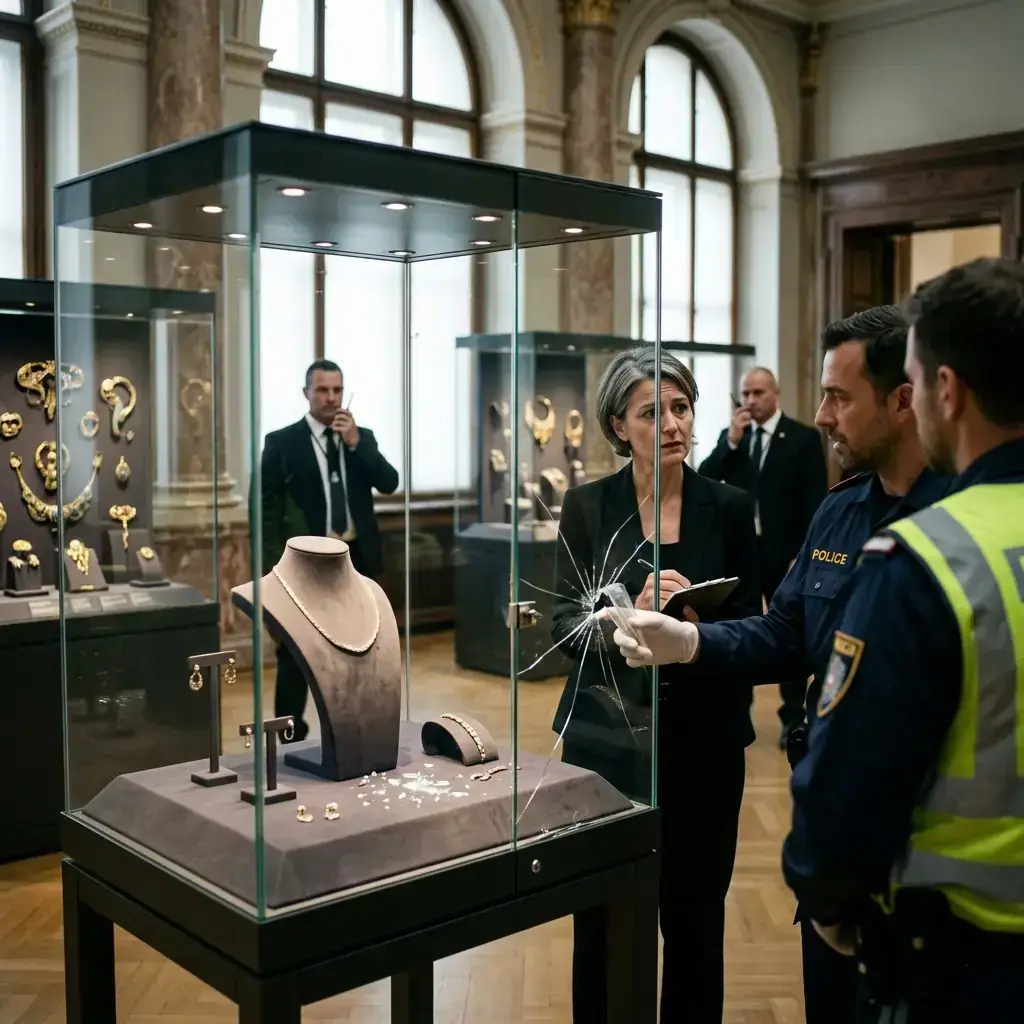
Vienna Museum Heist Nets $4M Diamond Necklace
Thieves stole a famed diamond necklace from a Vienna museum during regular visiting hours. The piece carries an estimated value of $4 million, and the brazen daytime theft shocked the cultural heritage community.
Museum officials reported the incident immediately, and local authorities launched an investigation. Security footage captured the suspects, although the necklace has not yet resurfaced. The theft echoes similar high-profile art crimes across Europe in recent years.
The incident raises questions about museum security protocols for high-value jewelry displays. Many institutions now review their protective measures after such events. For example, some venues have shifted to reinforced cases and increased personnel presence.
Newport Beach Jeweler Sentenced in $1.7M Fraud Case
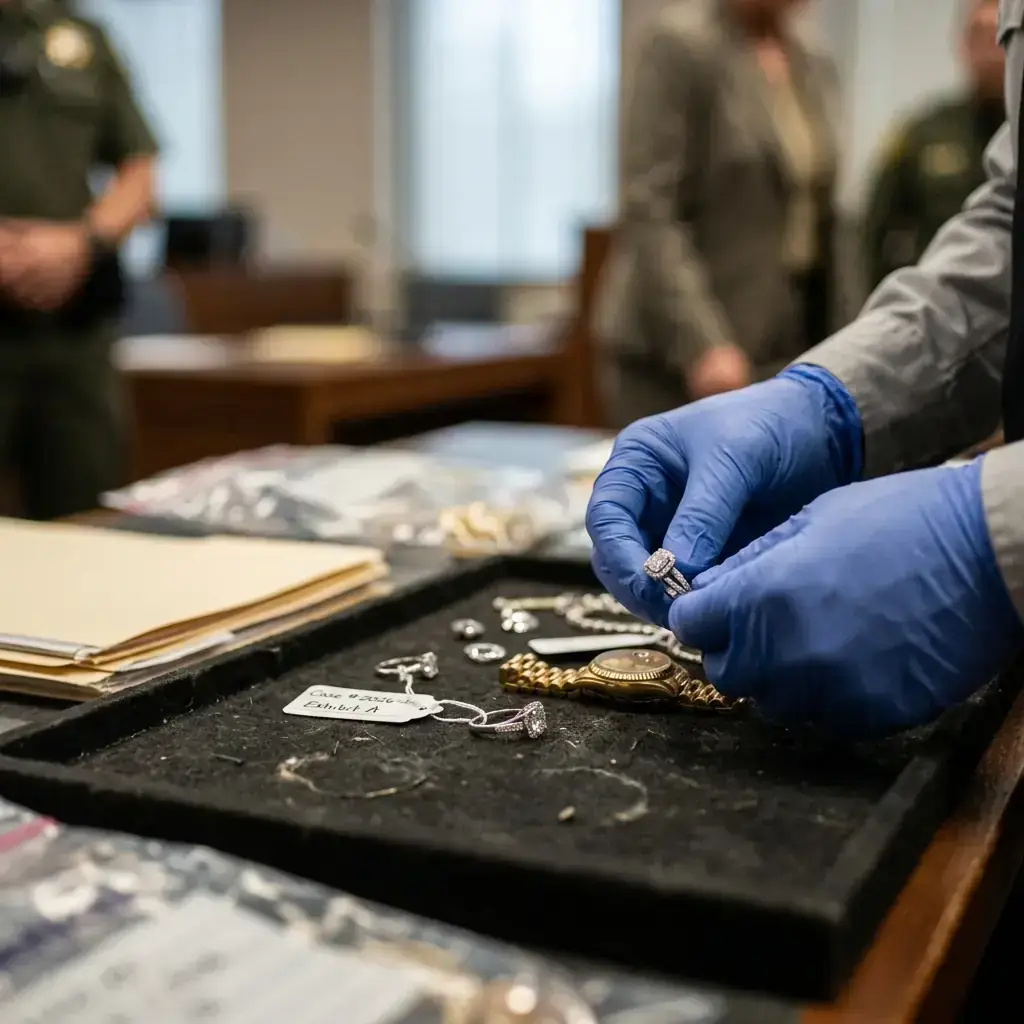
A California court sentenced jeweler Nelson Holdo to five years in prison for defrauding clients. Holdo operated a Newport Beach store and misappropriated approximately $1.7 million in client funds.
The court found that Holdo used customer money for personal expenses rather than purchasing promised jewelry. Victims included long-time clients who trusted the jeweler with significant sums. Moreover, the case underscores the importance of financial transparency in custom jewelry transactions.
Industry observers note that fraud cases damage consumer confidence across the sector. As a result, many retailers now emphasize clear contracts and third-party escrow services. Likewise, trade organizations continue to promote ethical business practices through education and certification.
De Beers Announces Autumn Cultural Program
De Beers unveiled an autumn program celebrating art, craft, and the enduring significance of natural diamonds. The initiative includes exhibitions, artist collaborations, and educational events across multiple venues.
The program aims to connect natural diamonds with cultural heritage and contemporary creativity. For this reason, the miner partnered with museums and independent artists for the season. Furthermore, the campaign positions natural diamonds against the growing lab-grown diamond segment.
This cultural strategy reflects a broader industry trend of storytelling and brand-building. In fact, several major jewelry houses now invest heavily in heritage narratives. Similarly, independent designers leverage personal stories to differentiate their work.
America’s Coolest Stores 2026 Winners Announced
INSTORE revealed its America’s Coolest Stores 2026 winners, celebrating independent retailers with standout designs and customer experiences. The list includes ten additional stores announced this week, bringing the total to a diverse group of independent jewelers.
Winners range from coastal boutiques to urban concept stores. Each location demonstrates innovative approaches to display, merchandising, and community engagement. For example, one store features a Parisian-inspired interior while another embraces Miami’s vibrant aesthetic.
These awards highlight the resilience and creativity of independent jewelers. Meanwhile, the recognition often drives foot traffic and media attention for winners. Therefore, many retailers use the designation in marketing materials throughout the year.
Raw Diamonds Transformed Into Wearable Art
One designer turned rejected raw diamonds into artistic jewelry pieces, challenging traditional notions of value. The creator described the stones as “industrial waste” that others overlooked before transformation.
The resulting collection features organic forms that celebrate the diamonds’ natural structure. This approach appeals to consumers seeking unique, conversation-starting pieces. Also, the work aligns with broader sustainability conversations in the jewelry industry.
Similarly, a gemstone named after a person offers affordable rarity for collectors. The stone’s unique origin story adds value beyond its physical properties. In fact, the gemstone remains accessible despite its unusual distinction.
What This Means for the Jewelry Trade
These stories reveal a sector balancing tradition with transformation. Security concerns persist, yet creativity and cultural programming offer positive momentum for the industry.
Retailers can learn from both the fraud case and the museum theft by strengthening trust and security measures. Meanwhile, the cultural initiatives from major players signal a continued focus on natural diamond storytelling. Alpha Jewelry observes these developments as the industry evolves toward greater transparency and innovation.
Jewelry Industry at a Glance
- Thieves stole a $4M diamond necklace from a Vienna museum during opening hours.
- Nelson Holdo received a five-year sentence for a $1.7M client fraud scheme.
- De Beers launched an autumn cultural program focused on natural diamonds.
- INSTORE announced additional America’s Coolest Stores 2026 winners.
- A designer created art jewelry from raw diamonds previously deemed industrial waste.
- A rare gemstone named after a person remains affordable for collectors.
Common Questions About Today’s Jewelry News
Q1: How did thieves steal the Vienna diamond necklace?
A: They entered the museum during public hours and removed the piece from its display case.
Q2: What happens to clients affected by the Nelson Holdo fraud case?
A: The court sentenced Holdo to prison, and victims may pursue restitution through legal channels.
Q3: Why is De Beers investing in cultural programming?
A: The miner aims to reinforce natural diamond value through art and heritage narratives.
Q4: How do retailers qualify for America’s Coolest Stores recognition?
A: INSTORE evaluates store design, customer experience, and community involvement.
Q5: Can raw diamonds really become fine jewelry pieces?
A: Yes, designers can transform raw diamonds into artistic pieces that celebrate natural formations.
Q6: What makes a gemstone named after a person unique?
A: Its origin story and rarity distinguish it from traditionally named gemstones.
Sources Referenced Today
- INSTORE: Vienna museum diamond necklace theft
- INSTORE: Nelson Holdo fraud sentencing
- INSTORE: De Beers autumn cultural program
- INSTORE: America’s Coolest Stores 2026 winners
- INSTORE: Raw diamond art feature
- INSTORE: Person-named gemstone profile


