

Blog
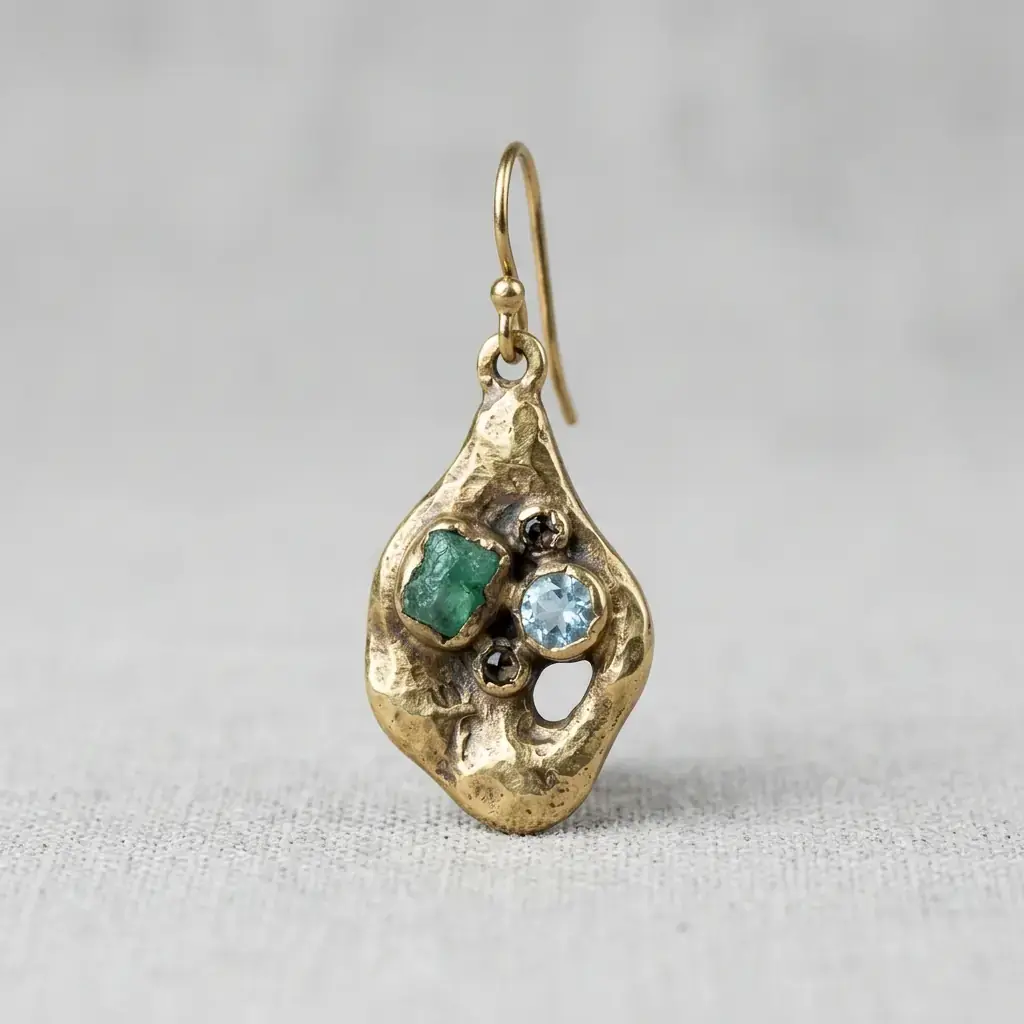
Custom Brass Earring Casting Manufacturer: Why Brass Plays a Supporting Role in Fine Jewelry
Brass earrings dominate fashion jewelry shelves, yet most serious jewelry brands treat brass as a stepping stone rather than a destination. Buyers searching for a custom brass earring casting manufacturer often expect a permanent production home, but the market tells a different story.
In fact, brass serves a limited purpose in the fine jewelry ecosystem. This article explains why brands use brass selectively, where it fits in a product lineup, and why most custom projects eventually shift toward gold or platinum.
Why Brass Casting Is Trending
Fashion jewelry sales continue climbing, and brass sits at the center of that growth. Consumers want trendy silhouettes without luxury price tags, so brands turn to brass for affordable collections that move quickly.
- Fast fashion cycles demand low-cost production runs
- Social media trends create demand for disposable, seasonal earrings
- New brands test the market with brass before committing to precious metals
- Retail price points under $50 require base metal manufacturing
However, the same qualities that make brass attractive also limit its lifespan. Brass tarnishes, reacts with skin acids, and lacks the permanence buyers expect from fine jewelry. Therefore, most brands use brass for sampling, trend testing, or costume lines rather than core collections.
What Defines Brass Earring Casting
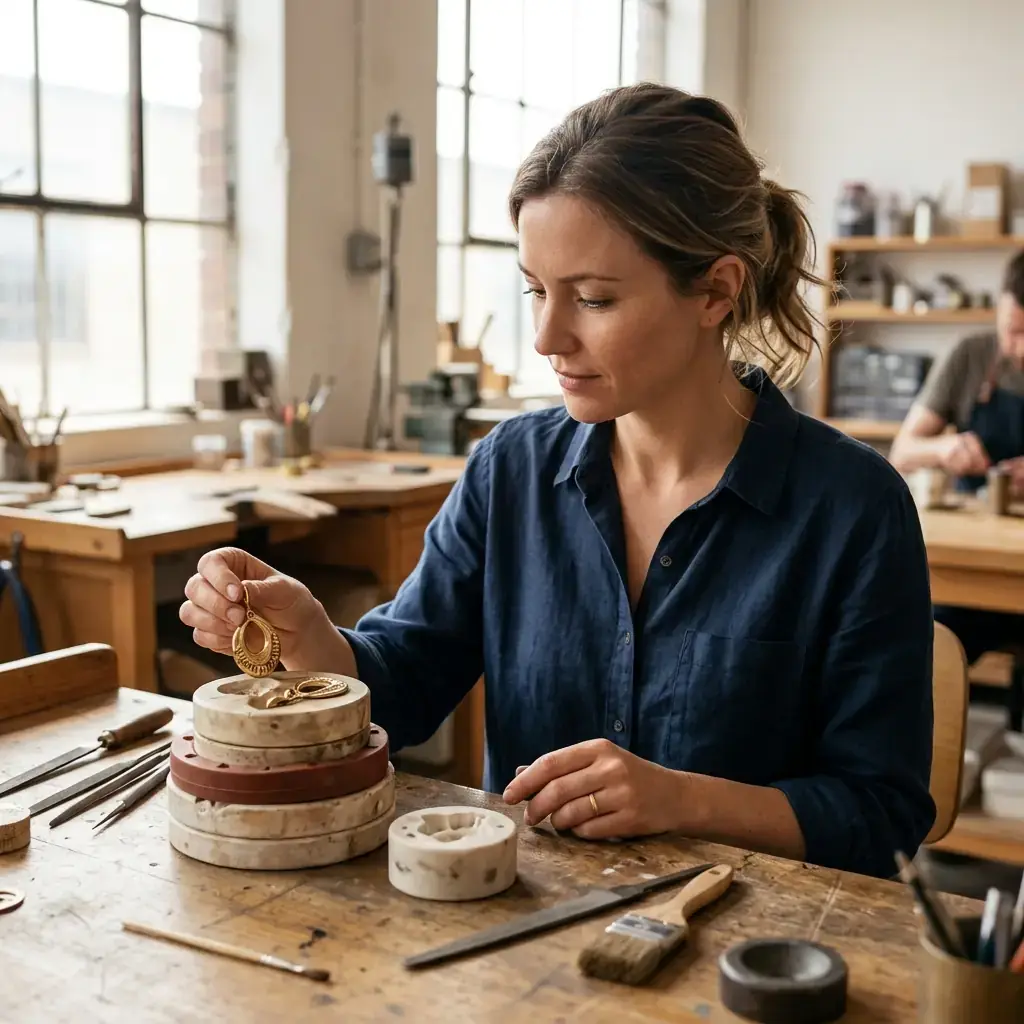
Moreover, brass is a copper-zinc alloy that casts easily and accepts detailed designs. A custom brass earring casting manufacturer produces pieces through lost-wax casting, the same process used for gold and silver.
In addition, key characteristics include:
- Low material cost compared to gold, silver, or platinum
- Excellent detail reproduction for intricate patterns
- Wide range of finishes including gold plating and antique patinas
- Moderate durability suitable for occasional wear
- Hypoallergenic limitations due to copper content
That said, brass earrings require plating to achieve a jewelry-grade finish. Unplated brass turns skin green and develops dark oxidation within weeks. Consequently, buyers rarely consider brass a final destination for premium products.
Key Factors for Brass Earring Production
Sampling and Prototyping
Brass excels as a prototyping metal. A custom brass earring casting manufacturer can produce sample pieces at a fraction of the cost of gold samples. This approach lets brands verify design proportions, hinge mechanisms, and comfort before committing to precious metal production.
For example, a brand designing a chandelier earring might cast three brass prototypes to test weight distribution. Once the design passes wear tests, the same CAD file moves to 14K gold casting. This workflow saves thousands of dollars in gold sampling fees.
Cost-Driven Fashion Lines
Some brands maintain permanent brass collections targeting impulse buyers. These lines feature bold, trend-forward designs with gold plating. However, plating wears off within months, so these pieces carry an expected short lifespan.
Meanwhile, brass production requires strict quality control. Porosity issues, plating adhesion failures, and surface imperfections appear more frequently than with precious metals. As a result, reputable manufacturers recommend brass only for specific use cases.
Comparison Table
| Feature | Brass Earrings | 14K Gold Earrings |
|---|---|---|
| Initial cost | Low | High |
| Tarnish resistance | Poor without plating | Excellent |
| Skin compatibility | Variable | Reliable |
| Lifespan | Months to 1 year | Decades |
| Resale value | Minimal | Strong |
Why Custom CAD Matters
CAD design eliminates guesswork in brass earring production. A custom brass earring casting manufacturer uses 3D modeling to refine proportions, test hinge placements, and visualize final finishes before any metal teams poured actively. At Alpha Jewelry, clients often start with brass CAD prototypes to validate designs, then transition to 14K gold or platinum for production.
Similarly, CAD files remain reusable across metals. A design perfected in brass transfers directly to gold casting without redrawing. This flexibility gives brands freedom to test multiple price points from a single design investment.
FAQ
How long do brass earrings last?
Brass earrings typically last 6 to 12 months with regular wear. Plating wears off faster on earrings due to friction and skin contact.
Can brass earrings be worn daily?
Daily wear accelerates tarnishing and plating loss. Brass suits occasional wear rather than everyday use.
Why does brass turn my skin green?
Copper in brass reacts with skin acids and sweat, creating green copper salts. Plating reduces this reaction but does not eliminate it permanently.
Is brass casting cheaper than gold casting?
Yes, brass casting costs significantly less per piece. However, finishing and plating add labor that narrows the gap slightly.
Do manufacturers offer brass and gold casting together?
Many factories handle both metals. Brands often use brass for samples and gold for final production runs.
Conclusion
Brass earring casting serves a practical but limited role in jewelry manufacturing. Smart brands leverage brass for prototyping, trend testing, and budget lines while reserving precious metals for core collections. As consumers grow more educated about metal quality, the demand for brass will likely remain steady but secondary. For brands planning long-term growth, brass opens the door while gold builds the business.


