Blog
Custom Brass Pendant Casting: What Manufacturers Actually Offer in 2026
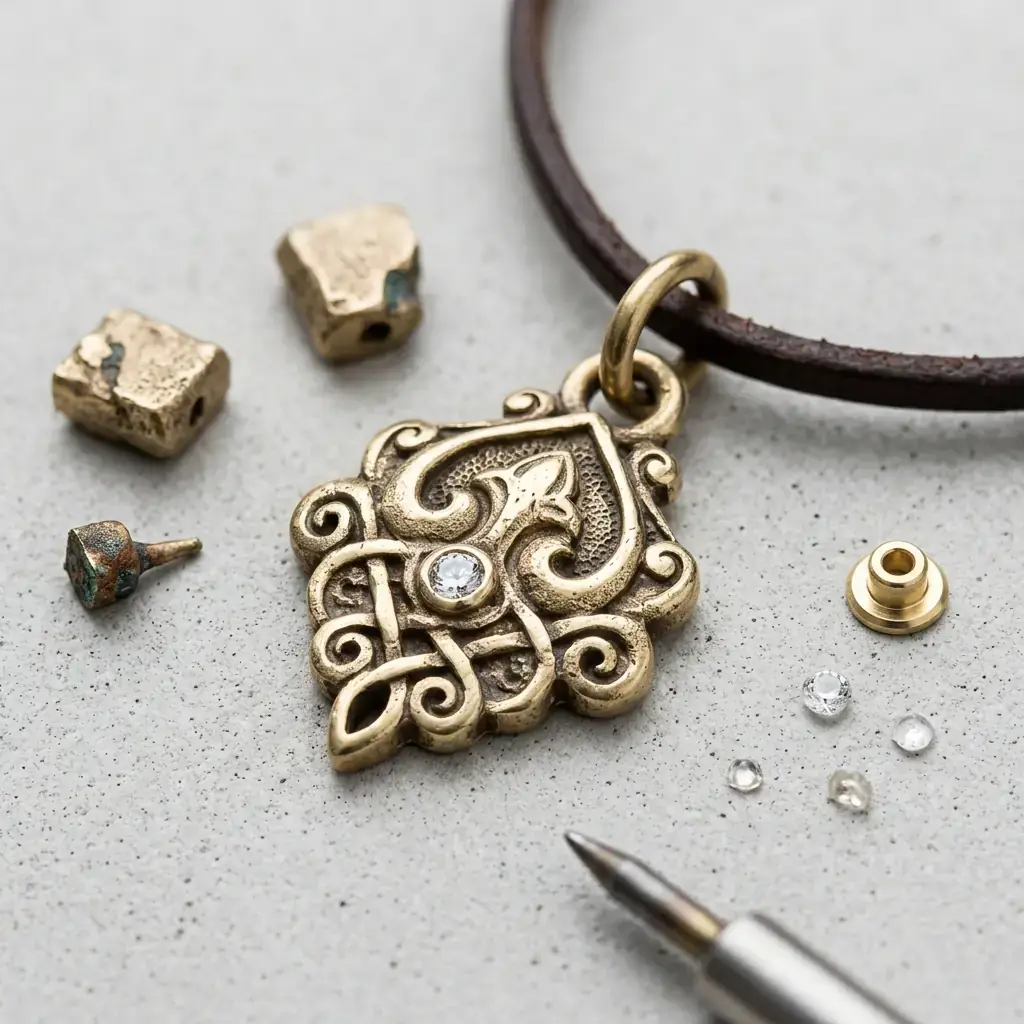
Moreover, brand owners searching for a custom brass pendant casting manufacturer often expect the same partner to handle their fine jewelry line. In practice, brass casting serves a narrow, specific role. It works well for fashion accessories, promotional pieces, and trend testing. However, it rarely fits the standards of a serious fine jewelry program.
In addition, this guide explains where brass casting makes sense, where it falls short, and why most premium brands separate their brass work from their gold and platinum production. Understanding that boundary helps buyers avoid costly mismatches.
Why Brass Pendant Casting Is Trending
For example, brass teams gained actively attention for reasons tied to cost and speed, not luxury positioning.
- Gold prices have climbed sharply, and gold jewelry demand is projected to hit a post-pandemic low in 2026 as prices stay elevated.
- Fashion brands want faster, cheaper sampling before committing to precious metal runs.
- Brass casts easily, takes plating well, and suits bold, lightweight pendant shapes.
- Small accessory labels use brass to test designs on social platforms before scaling.
As a result, brass fills a gap for entry-level and experimental products. Meanwhile, fine jewelry buyers continue to move toward gold, platinum, and lab-grown stones.
What Defines Brass Pendant Casting
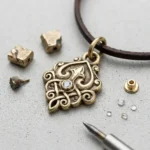
Brass pendant casting means producing pendants from a copper-zinc alloy, usually through lost-wax or die casting, then finishing with plating.
- Base metal: copper-zinc alloy, not a precious metal
- Common finishes: gold plating, rhodium plating, antique finishes
- Typical use: fashion jewelry, samples, promotional items
- Durability: moderate; plating wears over time
- Value retention: low compared to gold or platinum
Key Factors When Considering Brass Casting
Cost and Speed
Brass costs far less than gold or platinum. Therefore, sampling and short runs stay affordable. Production also moves quickly because the metal is soft and easy to cast.
Plating Quality
The final look depends almost entirely on plating thickness and finish. Consequently, thin plating tarnishes fast, while thick plating lasts longer. However, no plating matches the wear of solid gold.
Skin Sensitivity and Wear
Brass can react with skin, especially in humid climates. For this reason, many brands avoid brass for daily-wear pieces and reserve it for occasional or seasonal items.
Comparison: Brass vs Precious Metal Pendants
| Factor | Brass Casting | 14K/18K Gold or Pt950 |
|---|---|---|
| Material cost | Low | High |
| Skin comfort | Can irritate | Generally comfortable |
| Lifespan | Limited | Decades |
| Resale value | Minimal | Strong |
| Best use | Fashion, samples | Fine jewelry |
Why Custom and CAD Matter
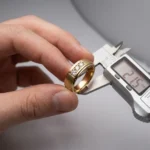
Even for brass, CAD design controls fit, symmetry, and detail. At Alpha Jewelry, clients typically use CAD to refine a pendant concept before deciding on the final metal. That step reveals whether a design belongs in brass or deserves a fine jewelry material.
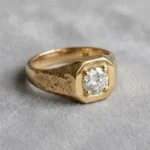
Also, for brands building a real fine jewelry line, the better path runs through custom fine jewelry in 9K, 14K, 18K gold, or Pt950. Brass stays a testing tool, not the destination.
FAQ
Is brass good for fine jewelry pendants?
No. Brass is a base metal, so it lacks the durability and value of gold or platinum. It suits fashion pieces instead.
Can brass pendants be gold plated?
Yes. Plating gives a gold look, but the finish wears over time and does not match solid gold.
Does brass cause skin reactions?
Sometimes. Copper content can irritate sensitive skin, particularly with daily wear.
Should I use brass for engagement or bridal pieces?
No. Bridal jewelry demands precious metals for longevity and meaning. Lab-grown or natural diamonds pair with gold or platinum.
Can a manufacturer cast both brass and gold?
Many can. However, fine jewelry factories usually focus on precious metals for consistency and quality control.
Conclusion
Brass casting remains a practical option for fashion and sampling, yet it stays outside the fine jewelry category. As gold demand shifts and lab-grown stones dominate new engagement rings, serious brands keep brass for testing and reserve gold and platinum for the pieces that carry their name.