Blog
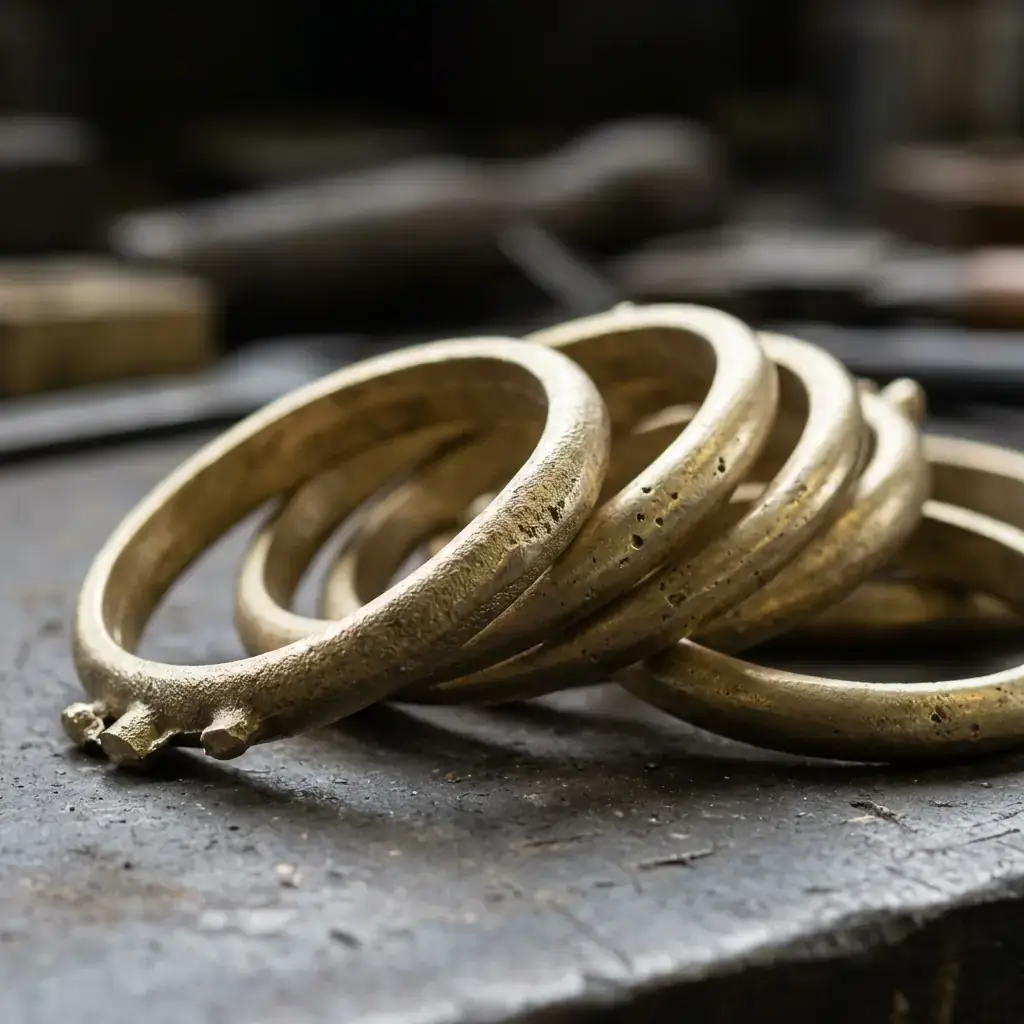
Custom Brass Bangle Casting Manufacturer: What Buyers Should Know
Manufacturer Bracelets is a key topic for jewelry brands evaluating OEM manufacturing and custom production options.
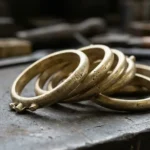
A custom brass bangle casting manufacturer serves a specific corner of the jewelry market. Brass offers an affordable, workable base metal for fashion bangles, samples, and trend-driven collections. However, it plays a limited role in fine jewelry production, and buyers should understand where it fits.
This article explains what brass casting delivers, where it falls short, and why most fine jewelry brands still build their core lines around gold and platinum. It also covers how CAD design shapes the process from concept to finished piece.
Why Brass Bangle Casting Is Trending
Moreover, brass teams gained actively attention for reasons that reflect broader shifts in how jewelry moves through the market:
- Fashion brands need fast, low-cost prototyping before committing to precious metals
- Trend cycles in bangles and stacking bracelets demand rapid turnaround
- Cost-conscious buyers want statement pieces without gold or platinum pricing
- Small brands test designs in brass before scaling into 14K or 18K gold
However, these advantages come with clear limits. Brass tarnishes, reacts with skin, and carries little resale value. Consequently, most serious jewelry brands treat it as a stepping stone rather than a destination.
What Defines Brass Bangle Casting
In addition, brass casting is a manufacturing method that pours molten brass alloy into molds to form bangle shapes. It works well for simple profiles and repeatable designs.
For example, key characteristics include:
- Low material cost compared to gold or platinum
- Easy machining and finishing for smooth surfaces
- Suitable for gold-tone plating or enamel coating
- Limited durability under daily wear
- Not ideal for gemstone setting or fine detail work
Key Factors for Buyers Considering Brass Casting
Cost and Speed
Brass casting delivers the lowest entry cost of any bangle method. For this reason, brands use it for samples, market tests, and seasonal drops. Production moves quickly because brass is soft and forgiving in the mold.
Design Limitations
Brass works best for solid, simple silhouettes. Intricate filigree, pavé settings, and stone-heavy designs rarely translate well. In addition, thin walls crack easily, so brass bangles need generous thickness to hold shape.
When to Move to Precious Metals
Once a design proves itself, most brands shift to 9K, 14K, or 18K gold for the retail version. Precious metals hold value, resist tarnish, and support lab-grown diamonds or natural gemstones. Therefore, brass serves as a bridge, not a final product.
Comparison Table
| Factor | Brass Casting | 14K Gold Casting | Platinum Casting |
|---|---|---|---|
| Material cost | Low | High | Very high |
| Tarnish resistance | Poor | Excellent | Excellent |
| Skin sensitivity | Common reactions | Rare | Rare |
| Stone setting support | Limited | Strong | Strong |
| Resale value | None | Moderate | High |
Why Custom CAD Matters
CAD design determines whether a bangle design translates cleanly into any metal, including brass. A precise CAD model reveals wall thickness, weight distribution, and fit before casting begins. Without it, brass prototypes often fail on the first run.
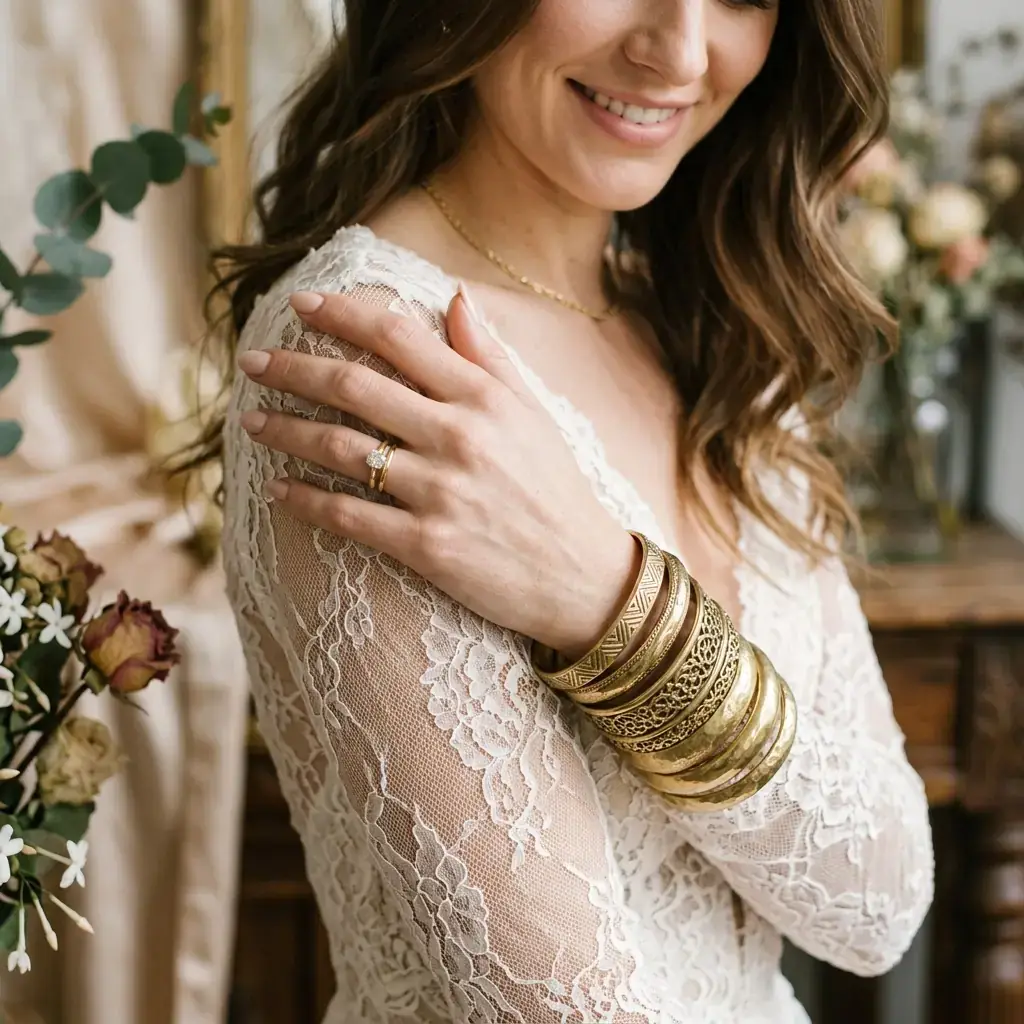
At Alpha Jewelry, clients use CAD to test bangle concepts in brass first, then move proven designs into 9K, 14K, or 18K gold for retail. This approach reduces risk while keeping the final piece aligned with fine jewelry standards.
FAQ
Is brass casting suitable for fine jewelry?
No. Brass works for fashion and sample pieces, but fine jewelry requires gold, platinum, or palladium for durability and value.
Can brass bangles be plated to look like gold?
Yes. Gold-tone plating gives brass a gold appearance, though the finish wears over time with daily use.
Does brass cause skin reactions?
Some wearers react to brass because it contains copper and zinc. Plating reduces but does not eliminate this risk.
How long does brass casting take?
Brass casting typically moves faster than precious metal casting, often completing within a few days after the mold is ready.
Should brands launch with brass or gold?
Most brands test with brass, then transition proven designs into 14K or 18K gold for retail release.
Conclusion
Brass bangle casting remains a useful tool for prototyping and fashion lines, but it stays firmly outside the fine jewelry category. Brands that understand this boundary use brass strategically, then shift winning designs into gold and platinum where real value lives.