Blog
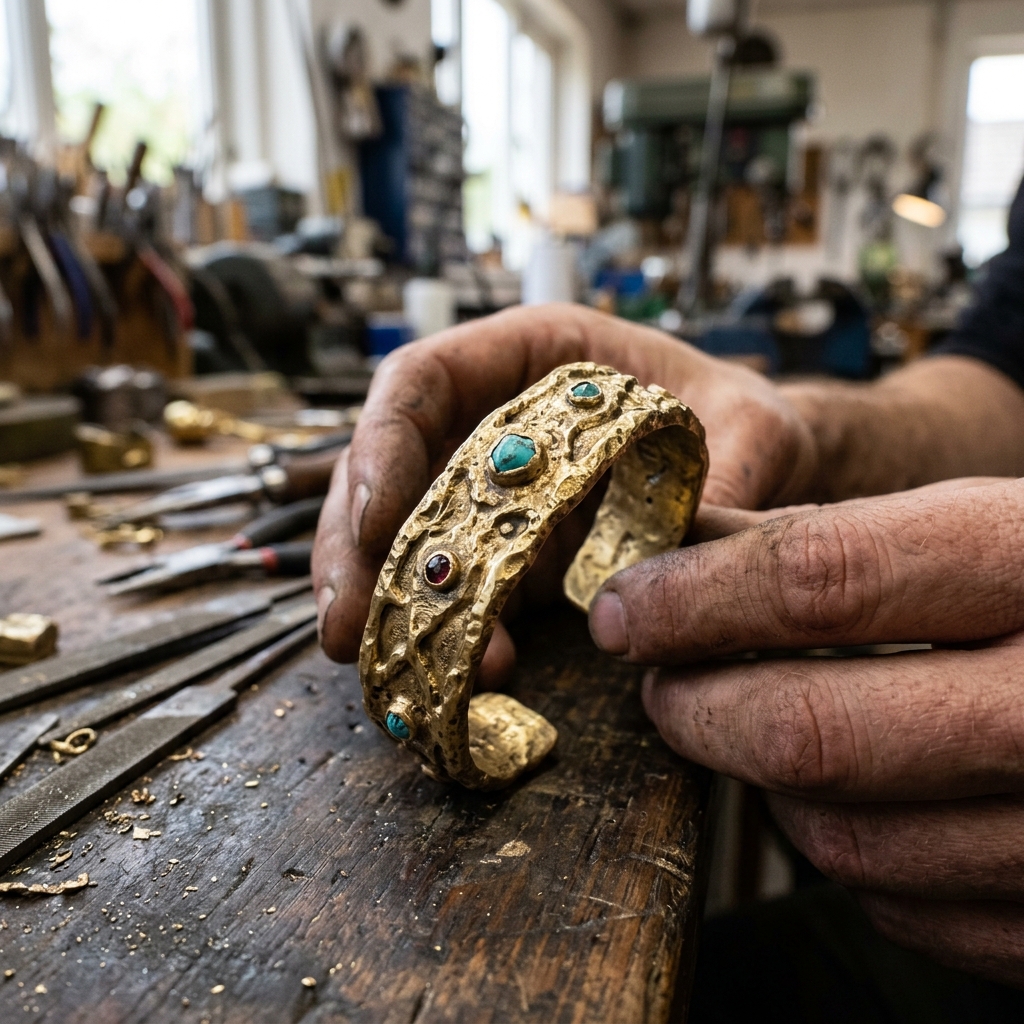
Custom Brass Bracelet Casting Manufacturer: When Brass Makes Sense
Introduction
Manufacturer Bracelet is a key topic for jewelry brands evaluating OEM manufacturing and custom production options.
Brass occupies a curious position in the jewelry market. It offers affordability, warm golden tones, and easy malleability, yet most fine jewelry brands never touch it. For brands weighing production options, understanding where brass fits matters more than chasing every metal trend.
This article examines brass bracelet casting from a manufacturer’s perspective. It clarifies where brass works, where it falls short, and why most custom fine jewelry clients ultimately choose gold or platinum instead.
Why Brass Bracelet Casting Is Trending
Moreover, brass teams gained actively visibility through fashion-forward brands and entry-level jewelry lines. Several market shifts explain this rise:
- Fast-fashion jewelry brands need low-cost metals for high-volume production
- Young consumers want trendy pieces without fine jewelry price tags
- Designers use brass for prototyping before committing to precious metals
- Costume jewelry lines benefit from brass’s gold-like appearance
However, the trend remains confined to specific segments. Fine jewelry buyers still prioritize precious metals for durability, hypoallergenic properties, and long-term value. Brass tarnishes, reacts with skin acids, and lacks the permanence that custom fine jewelry promises.
What Defines Brass Bracelet Casting
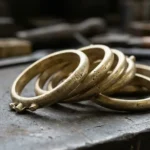
In addition, brass is a copper-zinc alloy that casts well and polishes to a bright finish. Manufacturers use it primarily for fashion jewelry, belt buckles, and decorative hardware.
For example, key characteristics include:
- Low material cost compared to gold, platinum, or silver
- Good castability for intricate designs
- Golden color that mimics high-karat gold initially
- Requires plating to prevent tarnishing and skin discoloration
- Lower density than precious metals, resulting in lighter pieces
Also, for brands targeting the fashion market, brass offers an accessible entry point. For fine jewelry brands, it rarely meets quality standards.
Best Approaches for Brass Bracelet Production
Fashion Jewelry Lines
Fashion brands often choose brass for statement bracelets and seasonal collections. The low cost allows aggressive pricing and rapid style turnover. Plating with rhodium or gold adds surface durability, though it wears off with regular use.
Prototyping and Sampling
Smart brands use brass for fit tests and design validation. Brass costs a fraction of gold, making it ideal for checking proportions and wearability before committing to precious metal production. This approach saves money during the sampling phase.
Costume Jewelry Collections
Costume jewelry relies on brass for its affordability and workability. Designers can experiment with bold shapes without material cost constraints. However, these pieces carry a limited lifespan and typically cannot teams resized actively or repaired easily.
Comparison Table
| Feature | Brass Bracelet | Gold Bracelet | Platinum Bracelet |
|---|---|---|---|
| Color | Golden, needs plating | True gold color throughout | White, naturally hypoallergenic |
| Durability | Prone to tarnishing | Resistant to corrosion | Very durable, develops patina |
| Skin Reaction | May cause discoloration | Hypoallergenic | Hypoallergenic |
| Resale Value | Minimal | High | High |
| Weight Feel | Light | Substantial | Heavy, dense |
Why Custom and CAD Matter
CAD design transforms bracelet production regardless of metal choice. Digital modeling lets clients see exact proportions, test different widths, and refine details before casting begins. This process eliminates costly mistakes and ensures the final piece matches the design vision.
At Alpha Jewelry, clients typically move from brass prototypes to final pieces in 14K or 18K gold once they confirm the design. The prototype phase validates comfort and aesthetics, while the final production uses precious metals that last decades.
FAQ
Q1: Can brass bracelets be worn daily?
A: Not recommended. Brass tarnishes quickly with daily wear and may discolor skin. Plating helps but wears off within months.
Q2: How does brass compare to sterling silver?
A: Sterling silver costs more but offers better tarnish resistance and higher perceived value. Brass requires more maintenance and plating.
Q3: Is brass suitable for custom engagement rings?
A: No. Engagement rings demand durable, hypoallergenic metals like gold or platinum. Brass cannot withstand decades of daily wear.
Q4: Can manufacturers plate brass to look like gold?
A: Yes. Electroplating with gold creates a convincing finish, but the coating wears off over time, revealing the brass underneath.
Q5: Why do fine jewelry brands avoid brass?
A: Fine jewelry requires lasting value, hypoallergenic properties, and lifelong durability. Brass offers none of these, making it unsuitable for premium positioning.
Conclusion
Brass bracelet casting serves a clear purpose in fashion jewelry and prototyping, but it remains a limited-use material for fine jewelry brands. As consumers increasingly value sustainability and longevity, precious metals continue dominating custom fine jewelry. Brands seeking lasting pieces should invest in gold or platinum, using brass only for sampling or low-cost fashion lines.