

Blog
Today’s Industry Context
Today’s news highlights a record surge in gold prices (Ramsdens), a significant shift to lab-grown diamonds (Queensmith reports 87% share), and a responsible gold supply deal (SigraFi/PeaceGold). These trends directly impact raw material costs, sourcing strategies, and product mix for jewelry manufacturers. Additionally, regulatory enforcement (Trading Standards/Sheffield Assay Office) underscores the importance of compliance and quality assurance in production.
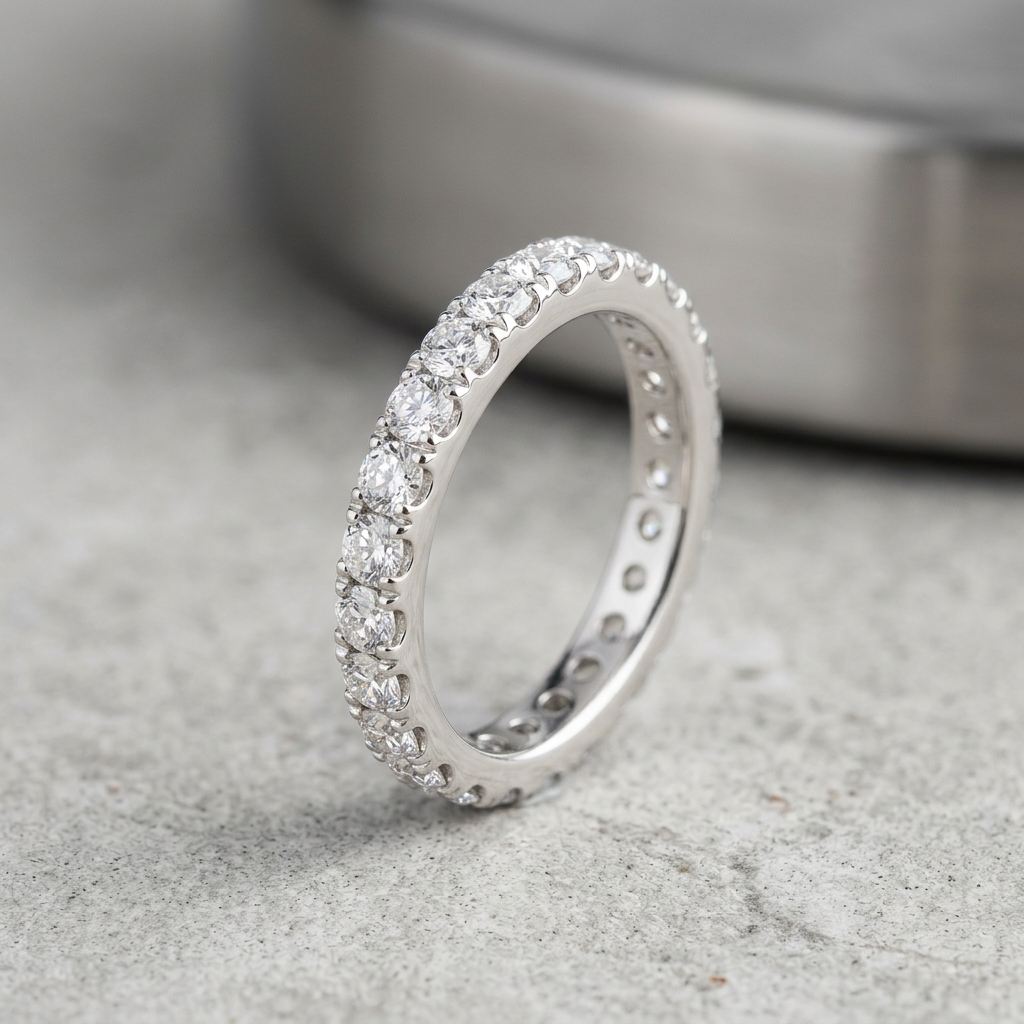
Custom Lab Grown Diamond Wedding Band Foundry: A Manufacturer’s Guide for Jewelry Brands
The shift toward lab grown diamonds in bridal jewelry is no longer a niche trend. In 2024, one major UK jeweler reported lab grown diamonds reached a record 87% share of sales, signaling a permanent change in consumer preference. For jewelry brand owners and designers, understanding the custom lab grown diamond wedding band foundry process is essential to delivering quality, consistency, and value. This article provides a professional manufacturing perspective on what you need to know about production, quality control, and factory collaboration when sourcing custom lab grown diamond wedding bands.
Why Custom Lab Grown Diamond Wedding Bands Are Trending
Consumer demand for ethical, affordable, and customizable bridal jewelry has driven the rise of lab grown diamonds. Several market shifts are behind this trend:
- Price transparency: Lab grown diamonds typically cost 60-85% less than mined diamonds of comparable quality, making custom wedding bands more accessible.
- Ethical sourcing: Younger buyers prioritize conflict-free origins, and lab grown diamonds offer a verifiable supply chain.
- Design freedom: With lower stone costs, consumers are more willing to invest in intricate, custom designs rather than settling for stock pieces.
- Brand differentiation: Jewelry brands that offer custom lab grown diamond wedding bands can stand out in a crowded market by providing unique, made-to-order options.
For factory partners, this means handling higher volumes of custom orders while maintaining tight tolerances and consistent stone quality. A reliable custom lab grown diamond wedding band foundry must balance speed with precision.
What Defines a Custom Lab Grown Diamond Wedding Band Foundry
A specialized foundry for custom lab grown diamond wedding bands is not a standard casting house. It requires specific capabilities:
- Dedicated lab grown diamond inventory: Access to a range of sizes, cuts, and clarities for immediate setting.
- CAD/CAM integration: Ability to take a designer’s concept and produce a 3D model for client approval before production.
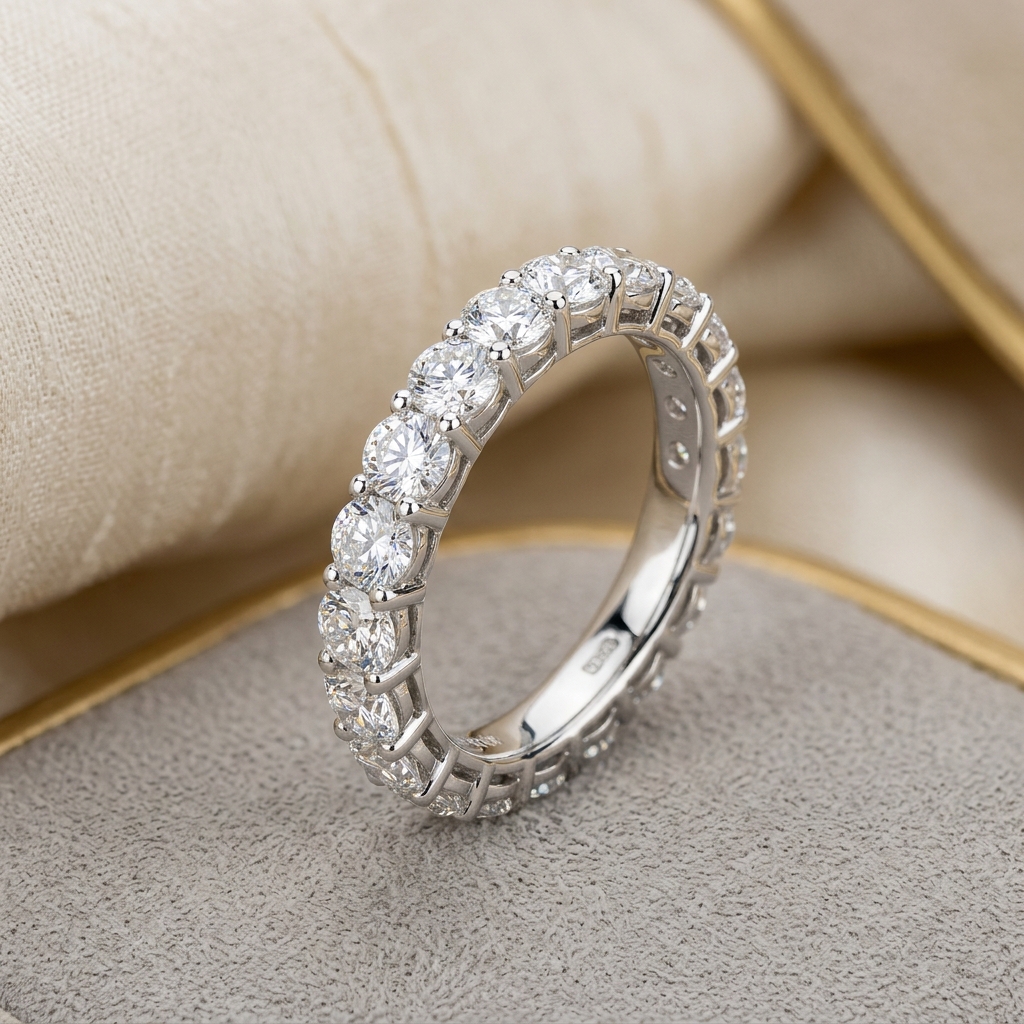
- Precision setting: Expertise in micro-pave, channel, and bezel settings for lab grown diamonds, which may have slightly different cleavage planes than natural stones.
- Quality assurance: Grading reports from recognized labs (e.g., IGI, GIA) for each stone, plus final inspection under magnification.
- Scalable production: Capacity for both one-piece custom orders and small batch runs without sacrificing quality.
Best Approaches for Sourcing Custom Lab Grown Diamond Wedding Bands
Partnering with the Right Foundry
Choosing a custom lab grown diamond wedding band foundry requires evaluating more than price. Look for a partner with transparent communication, a proven track record in bridal jewelry, and the ability to handle complex designs. A factory that offers CAD design services can reduce the back-and-forth between your team and production, speeding up the sampling phase.
Designing for Manufacturability
Not every custom design translates well to production. When working with a foundry, provide detailed CAD files or sketches that account for stone placement, metal thickness, and structural integrity. For example, a thin band with micro-pave lab grown diamonds needs enough metal support to prevent warping during wear. A good foundry will flag potential issues before casting begins.
Quality Control Protocols
Insist on a quality checklist that covers stone verification, metal purity, and setting security. Reputable foundries will provide a written report for each order, including the diamond grading certificate and a final inspection sign-off. This documentation is critical for your brand’s liability and customer trust.
Comparison Table: Design Considerations for Custom Lab Grown Diamond Wedding Bands
| Feature | Thin Band (1.5-2.0mm) | Balanced Band (2.0-2.5mm) | Wide Band (2.5-3.5mm) |
|---|---|---|---|
| Stone size | Small (1.0-1.5mm) | Medium (1.5-2.0mm) | Large (2.0-3.0mm) |
| Setting type | Micro-pave or channel | Pave or shared prong | Bezel or channel |
| Durability | Moderate; requires careful wear | Good; suitable for daily wear | Excellent; very durable |
| Comfort | Very comfortable | Comfortable | May feel heavy for some |
| Best for | Minimalist designs | Classic bridal styles | Bold, modern looks |
Why Custom Design and CAD Matter
Custom design through CAD (computer-aided design) is the backbone of modern wedding band production. It allows you to visualize the final piece, adjust proportions, and confirm stone placement before any metal is cast. For a custom lab grown diamond wedding band foundry, CAD files eliminate guesswork and reduce the risk of costly errors.
At Alpha Jewelry, clients often submit sketches or inspiration images, and the design team creates a 3D model for review. This collaborative process ensures the final band matches the designer’s vision while being structurally sound for long-term wear. CAD also enables quick revisions, making it ideal for one-piece custom orders where each detail matters.
FAQ
Q1: How long does it take to produce a custom lab grown diamond wedding band?
A: Typical production time is 7-14 days after CAD approval, depending on design complexity and stone availability.
Q2: Can I order a single custom wedding band, or is there a minimum quantity?
A: Most foundries, including Alpha Jewelry, support one-piece custom making with no minimum order quantity.
Q3: Are lab grown diamonds graded the same as natural diamonds?
A: Yes, lab grown diamonds are graded using the same 4Cs (cut, color, clarity, carat) by independent labs like IGI and GIA.
Q4: What metals are available for custom wedding bands?
A: Common options include 14K gold, 18K gold, platinum (Pt950), and 10K gold. Some foundries also offer 9K gold.
Q5: How do I ensure the lab grown diamonds are genuine?
A: Request a grading report from a recognized lab for each stone. Reputable foundries provide this documentation with every order.
Conclusion
The custom lab grown diamond wedding band foundry model offers jewelry brands a powerful way to meet rising consumer demand for ethical, affordable, and personalized bridal jewelry. By partnering with a factory that combines CAD expertise, precision setting, and transparent quality control, you can deliver unique pieces that build customer loyalty and differentiate your brand in a competitive market.


