

Blog
Today’s Industry Context
Today’s news highlights a record surge in gold prices (Ramsdens), a significant shift to lab-grown diamonds (Queensmith reports 87% share), and a responsible gold supply deal (SigraFi/PeaceGold). These trends directly impact raw material costs, sourcing strategies, and product mix for jewelry manufacturers. Additionally, regulatory enforcement (Trading Standards/Sheffield Assay Office) underscores the importance of compliance and quality assurance in production.
Custom Lab Grown Diamond Wedding Band Supply Chain: What Brand Owners Need to Know
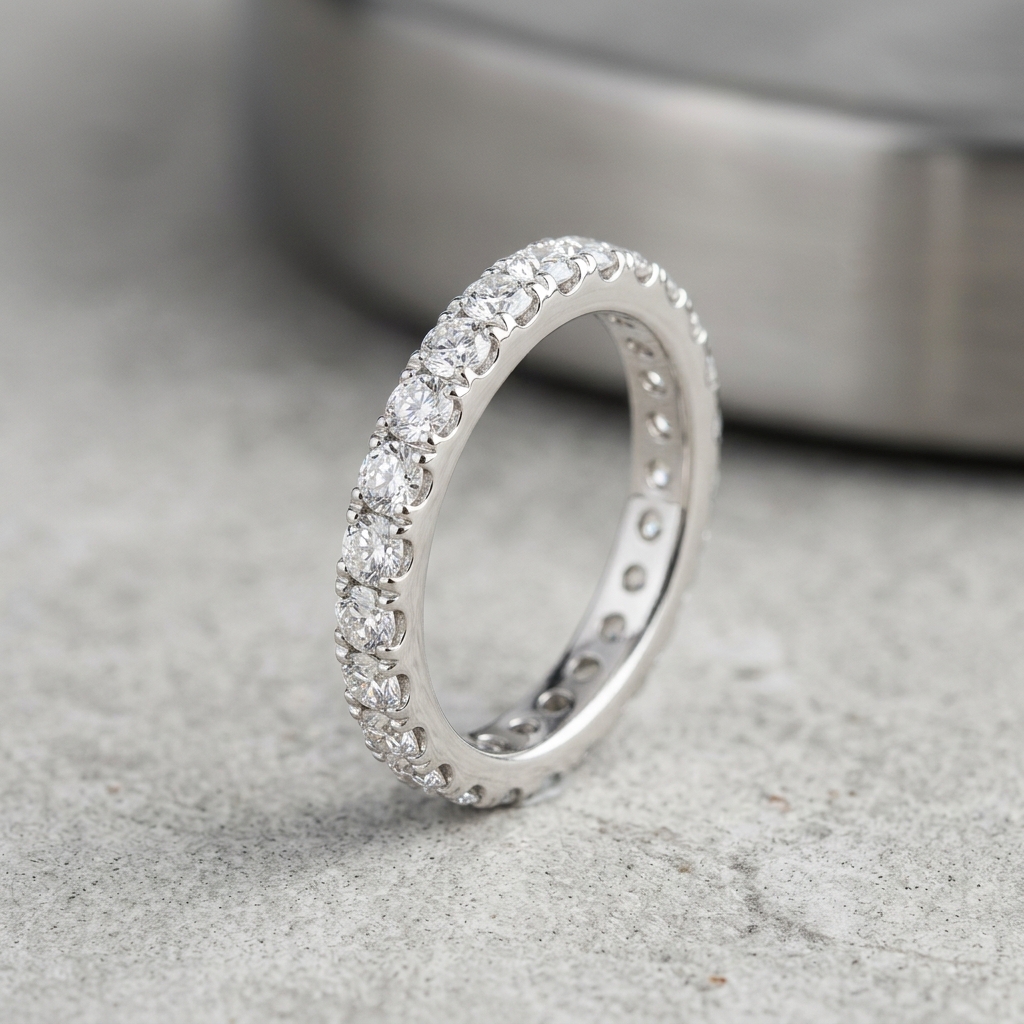
The lab grown diamond wedding band market has reached a tipping point. Queensmith, a UK jeweler, recently reported that lab grown diamonds now account for 87% of their diamond sales. For jewelry brand owners and designers, this shift means the supply chain behind custom lab grown diamond wedding bands is no longer a niche concern — it is a core business consideration. Understanding how to source, produce, and quality-check these bands directly impacts margins, brand reputation, and customer satisfaction.
This article breaks down the professional manufacturing perspective on the custom lab grown diamond wedding band supply chain, focusing on what brand owners and designers need to know about production, quality, and factory collaboration.
Why the Lab Grown Diamond Wedding Band Supply Chain Matters Now
The supply chain for lab grown diamond wedding bands is fundamentally different from mined diamond sourcing. It is shorter, more transparent, and more price-volatile. For brand owners, this creates both opportunity and risk.
Key Market Shifts
- Price compression: Lab grown diamond prices have fallen significantly, making wedding bands more accessible but squeezing margins for brands that do not control their supply chain
- Consumer education: Buyers now ask about origin, certification, and production methods, forcing brands to have clear answers
- Quality inconsistency: Not all lab grown diamonds are equal — CVD vs HPHT, color grades, and clarity vary widely between suppliers
- Speed to market: Custom orders require faster turnaround, and a reliable supply chain is the difference between a 7-day delivery and a 30-day wait
A fragmented supply chain can lead to inconsistent stone quality, delayed production, and unhappy end customers. For brand owners, choosing the right manufacturing partner is as important as the design itself.
What Defines a Professional Lab Grown Diamond Wedding Band Supply Chain
A professional supply chain for custom lab grown diamond wedding bands is defined by four key characteristics: traceability, consistency, flexibility, and speed.
- Traceability: Every diamond should be trackable from growth lab to finished ring, with grading reports from GIA, IGI, or GCAL
- Consistency: Color and clarity grades must match across multiple stones in a single order, especially for matching wedding bands
- Flexibility: The supply chain should support one-piece custom orders as easily as small-batch production
- Speed: From CAD approval to finished product, a professional supply chain delivers in 7-14 days, depending on complexity
Brand owners should audit potential partners on these four criteria before committing to a long-term relationship.
Key Factors for Selecting a Lab Grown Diamond Wedding Band Manufacturer
Stone Sourcing and Grading
Not all lab grown diamonds are created equal. CVD (chemical vapor deposition) stones often have different growth patterns than HPHT (high pressure high temperature) stones. A professional manufacturer should offer both options and provide grading reports for every stone. Ask about their supplier relationships — direct partnerships with growth labs reduce middleman costs and improve quality control.
CAD Design Integration
The best supply chains integrate CAD design with stone selection. When a designer can see exactly which diamond will go into a specific setting before production begins, the risk of mismatched stones or poor fit drops dramatically. At Alpha Jewelry, clients receive CAD renderings with stone placements clearly marked, allowing for adjustments before metal is cut.
Quality Control Protocols
A robust QC process includes multiple inspection points: rough stone grading, cut quality verification, setting inspection, and final polish check. Look for manufacturers that use magnification tools and have clear pass/fail criteria for each step. Some factories also offer video inspection of finished rings before shipping.
Production Timeline Management
Custom lab grown diamond wedding bands typically require 7-14 days after CAD approval. The timeline depends on design complexity, stone availability, and metal choice. A transparent manufacturer will provide a clear production schedule and update you if any delays arise.
Comparison Table: Design Choices for Lab Grown Diamond Wedding Bands
| Feature | Classic Solitaire | Shared Prong | Bezel Set |
|---|---|---|---|
| Stone visibility | Maximum | High | Moderate |
| Security | Moderate | Moderate | High |
| Maintenance | Easy | Moderate | Easy |
| Comfort on finger | High | Moderate | High |
| Resizing difficulty | Easy | Difficult | Moderate |
Why Custom CAD Design Matters in the Supply Chain
Custom CAD design is the bridge between a brand owner’s vision and the factory’s production capabilities. Without it, the supply chain becomes a black box — you send a sketch and hope for the best. With CAD, every detail is specified: stone size, prong placement, band thickness, and metal weight.
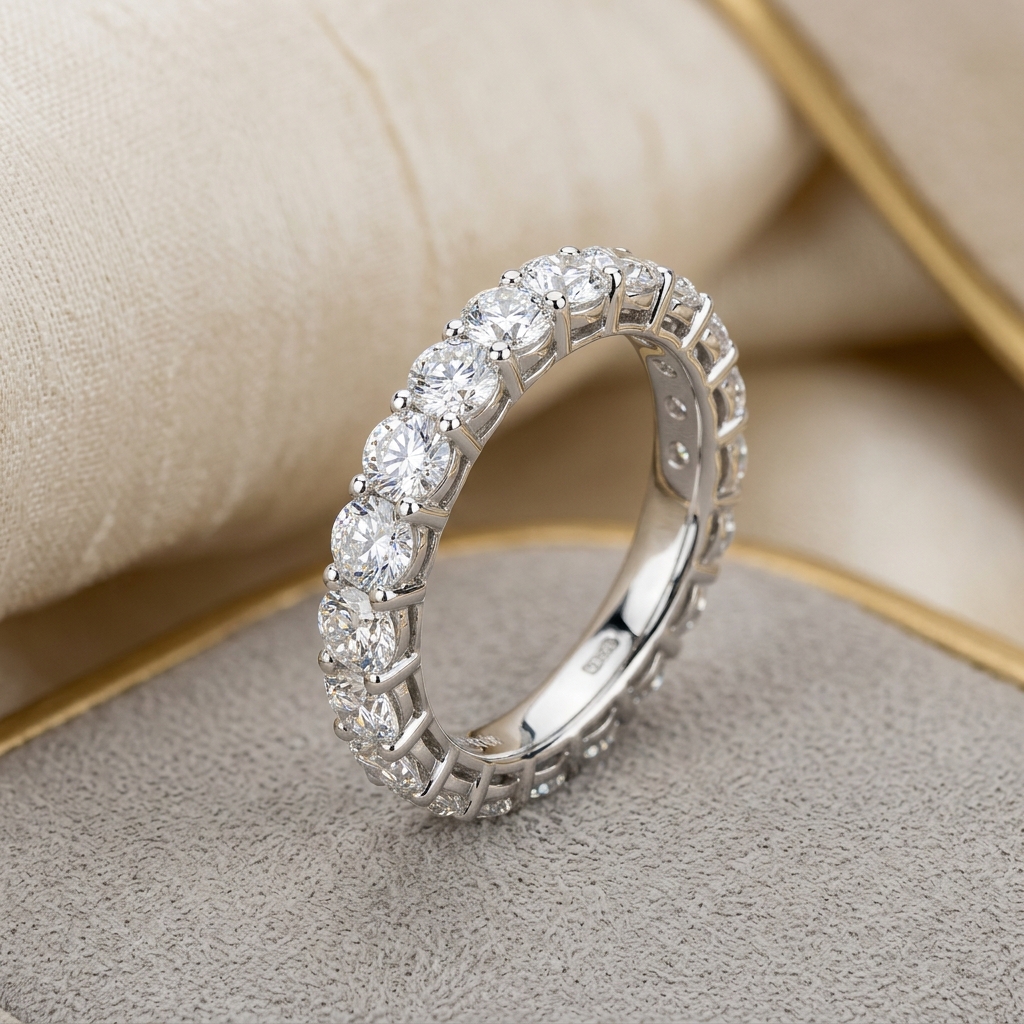
For lab grown diamond wedding bands, CAD is especially important because the stones are often smaller and more numerous than in engagement rings. A well-executed CAD ensures that each stone sits at the correct angle and that the setting will hold up to daily wear. At Alpha Jewelry, clients receive photorealistic renderings that show exactly how the finished band will look, eliminating guesswork and reducing the risk of costly revisions.
FAQ
Q1: What is the difference between CVD and HPHT lab grown diamonds for wedding bands?
A: CVD diamonds often have fewer internal inclusions and are preferred for larger stones, while HPHT diamonds can have better color consistency. Both are real diamonds with identical chemical and physical properties to mined diamonds.
Q2: How long does it take to produce a custom lab grown diamond wedding band?
A: Typical production takes 7-14 days after CAD approval, depending on design complexity and stone availability. Simple bands with standard stones can be completed in under a week.
Q3: Do lab grown diamond wedding bands come with certification?
A: Yes, professional manufacturers provide grading reports from GIA, IGI, or GCAL for each diamond. Always request certification before placing an order.
Q4: Can I order a single custom lab grown diamond wedding band?
A: Yes, most professional manufacturers support one-piece custom orders. The supply chain is designed to handle both single rings and small-batch production.
Q5: What metals work best with lab grown diamond wedding bands?
A: 14K and 18K gold are the most popular choices for their durability and color options. Platinum is also an excellent choice for its strength and hypoallergenic properties.
Conclusion
The custom lab grown diamond wedding band supply chain is evolving rapidly. Brand owners who understand the nuances of stone sourcing, CAD integration, and quality control will have a significant advantage in a market where consumer expectations are high and margins are tight. As lab grown diamonds continue to gain market share, the manufacturers who can deliver consistent quality, fast turnaround, and transparent communication will define the next era of bridal jewelry.


