The History and Evolution of Bridal Jewelry

history of bridal jewelry

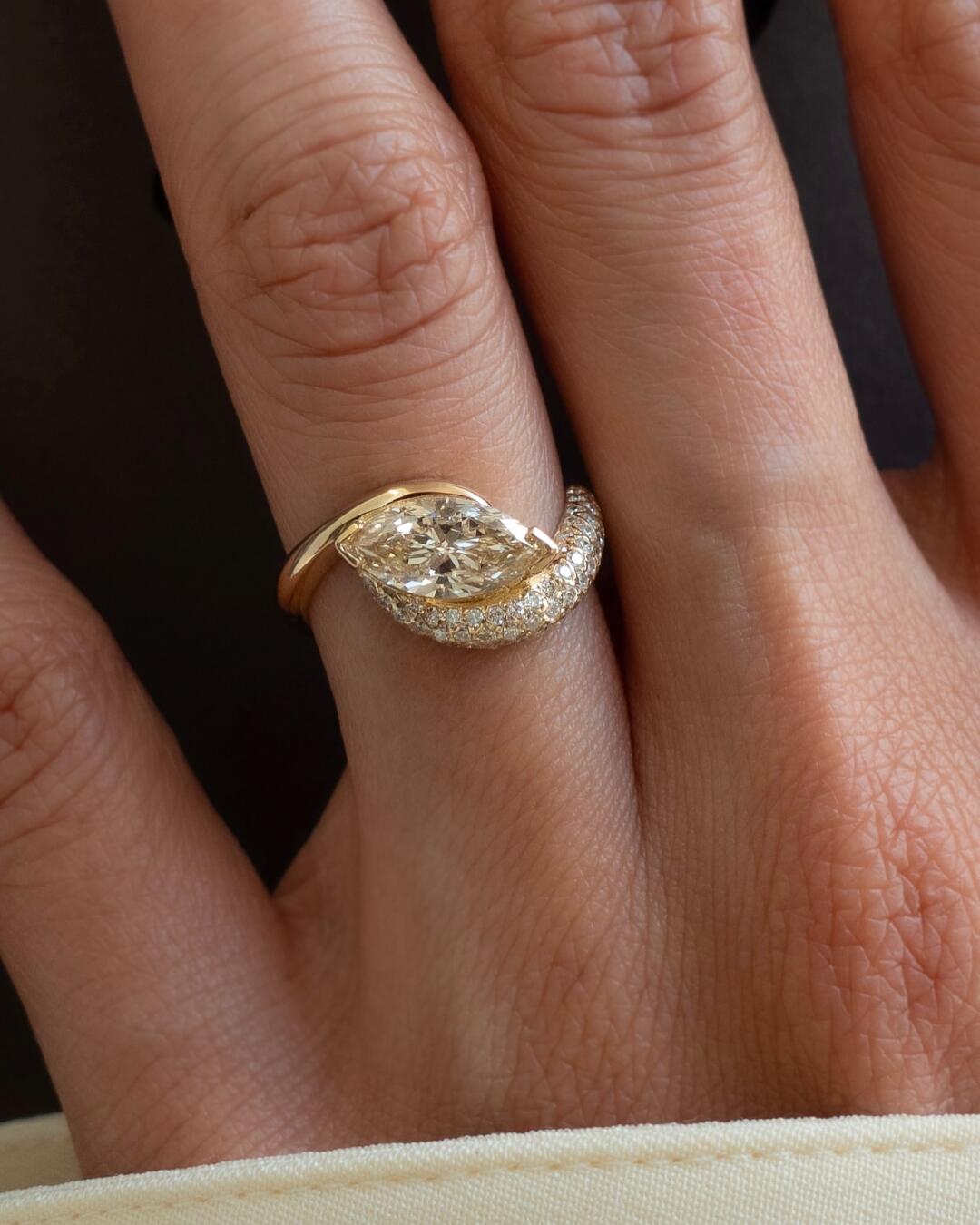
Bridal jewelry has evolved from simple bands in ancient times to elaborate designs symbolizing love and commitment. Traditional pieces like diamond rings remain popular, while modern trends embrace personalization.

Cultural influences and technological advancements have shaped bridal jewelry, blending heritage with innovation.

Explore our bridal collection. For historical insights, visit Jewelry History.

Contact us via WhatsApp: +8618520595760 or email alpha_jewelry@163.com to learn more.

How Bridal Jewelry Has Changed

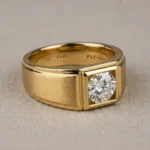
Bridal jewelry has moved from simple symbolic bands to a wide range of personal designs. Traditional wedding rings are still important, but modern buyers also look for engagement rings, matching bridal sets, anniversary bands, and pieces that reflect culture, lifestyle, and individual taste.

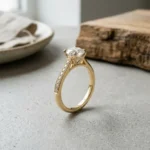
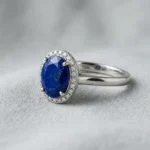
Vintage-inspired details, lab-grown diamonds, mixed metals, and custom engraving have made bridal jewelry more personal. Some couples prefer classic solitaire rings, while others choose contour wedding bands, hidden halos, or stackable designs that can evolve after the wedding.

What This Means for Jewelry Brands

For brands and retailers, bridal jewelry is no longer only about one ring. It is a full design journey: proposal ring, wedding band, second ring, anniversary upgrade, and sometimes heirloom redesign. A strong bridal collection should include core styles, flexible customization, and clear material options.

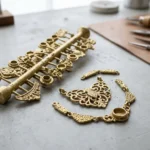
Alpha Jewelry supports bridal jewelry production with CAD design, small-batch manufacturing, lab-grown diamonds, 14K/18K gold, platinum, and matching ring set development. This helps brands build collections that feel timeless while still meeting modern customer expectations.

Design Details That Matter

For bridal jewelry, comfort and proportion are just as important as sparkle. Band width, setting height, stone size, prong placement, and matching wedding band fit all influence whether the piece feels beautiful in real life.

Custom production gives brands room to adjust these details for different customers. A design can be offered in 9K, 14K, 18K gold, or platinum, with natural diamonds, lab-grown diamonds, moissanite, or colored stones depending on the collection goal.

Related resource: Engagement Ring Proportions.

FAQ

What is your production MOQ?

We are the first jewelry factory in the industry to offer a minimum order quantity (MOQ) of one piece. We are very friendly to jewelry retailers who place orders online or through stores for custom jewelry.

What is your payment terms?

For first-time clients, we can accept a 30% advance payment to establish trust, with the remaining 70% due before shipment. For clients with an established trust, to enhance efficiency, we typically require full payment before production begins. This can be decided through negotiation.

What kind of express delivery methods do you offer? what is the price?

We generally offer international express shipping services, including DHL, FedEx, UPS, and others, which typically take 3-7 days to reach worldwide destinations at a cost of $50. We also provide slower shipping options, such as 4px, which usually takes 10-15 days to reach global destinations at a cost of $10.

What materials can you use for jewelry production? What types of stones can be set?

We can produce jewelry using materials such as 925 silver, 9K, 10K, 14K, 18K, 22K, Pt950, and 18K palladium gold. We can set various stones, including but not limited to natural diamonds, lab-grown diamonds, moissanite, as well as various types of natural gemstones, synthetic gemstones, pearls, and more.