

Jewelry Industry News: BriteCo Drops Coverage Caps

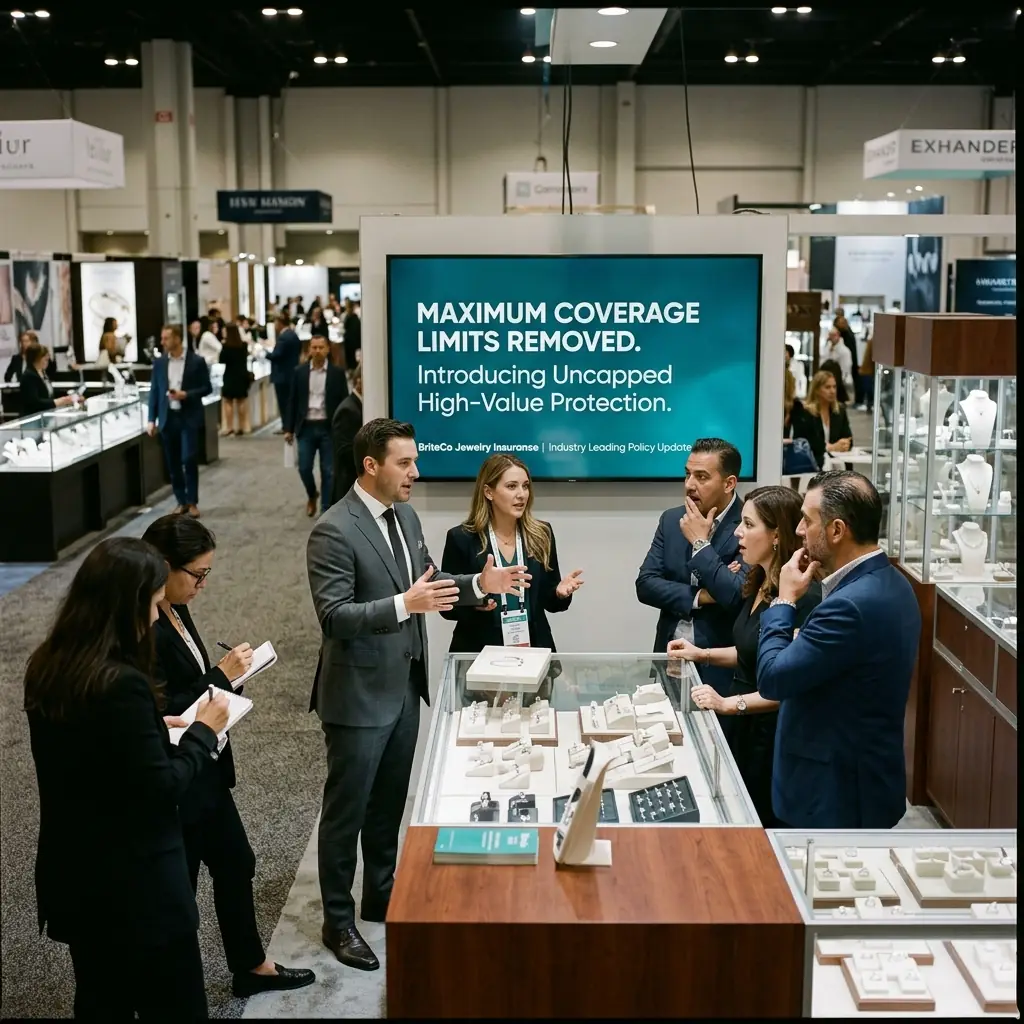
Today’s jewelry industry news roundup covers a major insurance shift, a bankruptcy sale, and fresh signals on where consumer demand is heading. Retailers also weighed in on the technology reshaping how custom pieces get made.
The common thread is confidence. Consumers want protection, designers want flexibility, and jewelers want tools that shorten the path from sketch to finished ring.
BriteCo Removes Maximum Coverage Limits
BriteCo eliminated maximum coverage limits on its jewelry and watch insurance policies. The move lets policyholders insure high-value pieces without hitting a ceiling on their protection.
Moreover, the change targets a long-standing friction point. Many collectors own pieces that appreciate over time, and fixed caps force them to shop for supplemental coverage.
For retailers, the update simplifies the conversation at the counter. Staff can quote coverage that scales with the item rather than the policy.
- Uncapped coverage applies to jewelry and watches
- High-value pieces no longer require split policies
- Retailers gain a simpler point-of-sale insurance pitch
Lugano Jewelry Sold After Bankruptcy
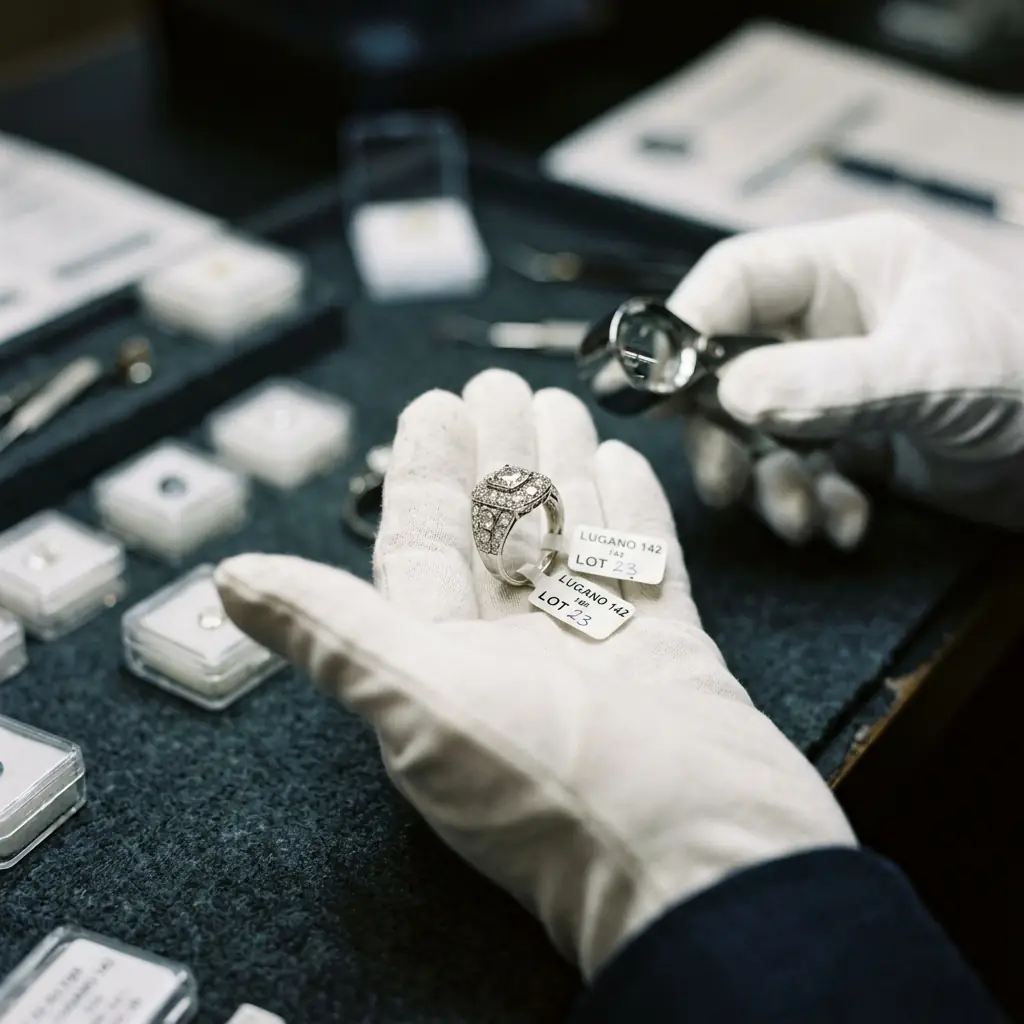
A buyer tied to David Webb acquired Lugano Jewelry following the brand’s bankruptcy. The sale moves a familiar luxury name into new ownership.
Furthermore, the deal signals continued consolidation in the premium jewelry segment. Established brands with heritage and retail footprints remain attractive to strategic buyers.
The transaction also raises questions about how the new owner will position Lugano. Retailers will watch whether the brand keeps its existing distribution or pivots toward a narrower luxury tier.
Gold Alternatives and Lab-Grown Lead Trend Picks
Jewelers picked gold alternatives and lab-grown diamonds as the trends most likely to define the next big wave. The survey results point to price sensitivity and design freedom working together.
In addition, lab-grown stones give designers room to experiment with larger silhouettes at accessible price points. Gold alternatives address the same pressure from a materials angle.
Similarly, both trends reflect a consumer who values look and wearability over traditional metal purity. That shift matters for custom work, where clients often prioritize design outcome over raw material cost.
Jewelers Mutual Study on Travel and Insurance
A Jewelers Mutual study found that 90% of wearers travel with their engagement rings. Yet fewer than half insure those rings at the point of purchase.
As a result, a large protection gap follows the ring out the door. Retailers who skip the insurance conversation at checkout leave both the client and the sale exposed.
For this reason, point-of-sale insurance has become a retention tool, not just a compliance step. A covered client returns for cleanings, resizing, and future purchases with less hesitation.
CAD/CAM Tops Technology List, AI Looms
Jewelers ranked CAD/CAM as the most game-changing technology in their businesses. AI landed as the wild card, with respondents unsure how quickly it will reshape design and sales.
Meanwhile, CAD/CAM already drives the custom workflow. It turns a client’s idea into a render, then into a printable model, then into a castable piece.
That said, AI’s role remains unsettled. Some see it speeding up concepting and quoting; others expect it to stay in the background as a support tool.
Other Headlines Worth Noting
Frederique Constant and the Pro Padel League unveiled official timepieces, tying watch marketing to a fast-growing sport. The Plumb Club added three new supplier members to its roster. Carrie Coon drew attention for power layering with Fred Leighton jewels at the East of Eden premiere. Retail columnists also urged owners to rethink November event planning, from RSVP math to staffing details.
What This Means for the Jewelry Trade
Two stories point in the same direction. BriteCo’s uncapped coverage and the Jewelers Mutual travel data both center on protection, and both suggest the industry still under-serves it. Retailers who treat insurance as part of the sale, rather than an afterthought, close a gap that costs them repeat business.
The trend picks tell a parallel story. Lab-grown diamonds and gold alternatives are no longer niche experiments; jewelers now name them as leading indicators. That shift rewards flexible manufacturing, where a single custom piece can move from CAD render to finished ring in 7–14 days after approval. Alpha Jewelry, a custom fine jewelry manufacturer in Guangzhou, operates in that space and watches these demand signals closely.
Jewelry Industry at a Glance
- BriteCo removed maximum coverage limits on jewelry and watch insurance.
- A buyer connected to David Webb purchased Lugano Jewelry after bankruptcy.
- Jewelers named gold alternatives and lab-grown diamonds as top next-big-trend picks.
- 90% of wearers travel with engagement rings, but fewer than half insure at purchase.
- CAD/CAM ranked as the most game-changing technology; AI was called the wild card.
- The Plumb Club added three new supplier members.
Common Questions About Today’s Jewelry News
Q: What did BriteCo change about its jewelry insurance?
A: BriteCo removed maximum coverage limits, so policyholders can insure high-value jewelry and watches without a cap.
Q: Who bought Lugano Jewelry?
A: A buyer tied to David Webb acquired the brand after its bankruptcy.
Q: What trends did jewelers pick for the next big thing?
A: Jewelers selected gold alternatives and lab-grown diamonds as their leading picks.
Q: How many wearers travel with engagement rings?
A: The Jewelers Mutual study found 90% of wearers travel with their engagement rings.
Q: How many insure the ring at purchase?
A: Fewer than half of buyers insure the ring at the point of purchase.
Q: Which technology did jewelers call most game-changing?
A: CAD/CAM topped the list, with AI described as the wild card.
Q: Why does point-of-sale insurance matter to retailers?
A: It protects the client, reduces post-purchase friction, and supports repeat visits.
Sources Referenced Today
- InStore Magazine: BriteCo coverage limit removal
- InStore Magazine: Lugano Jewelry bankruptcy sale
- InStore Magazine: jeweler trend picks on gold alternatives and lab-grown
- InStore Magazine: Jewelers Mutual travel and insurance study
- InStore Magazine: CAD/CAM and AI technology survey
- InStore Magazine: Plumb Club supplier additions
- InStore Magazine: Frederique Constant padel timepieces
- InStore Magazine: Carrie Coon at East of Eden premiere


