Blog
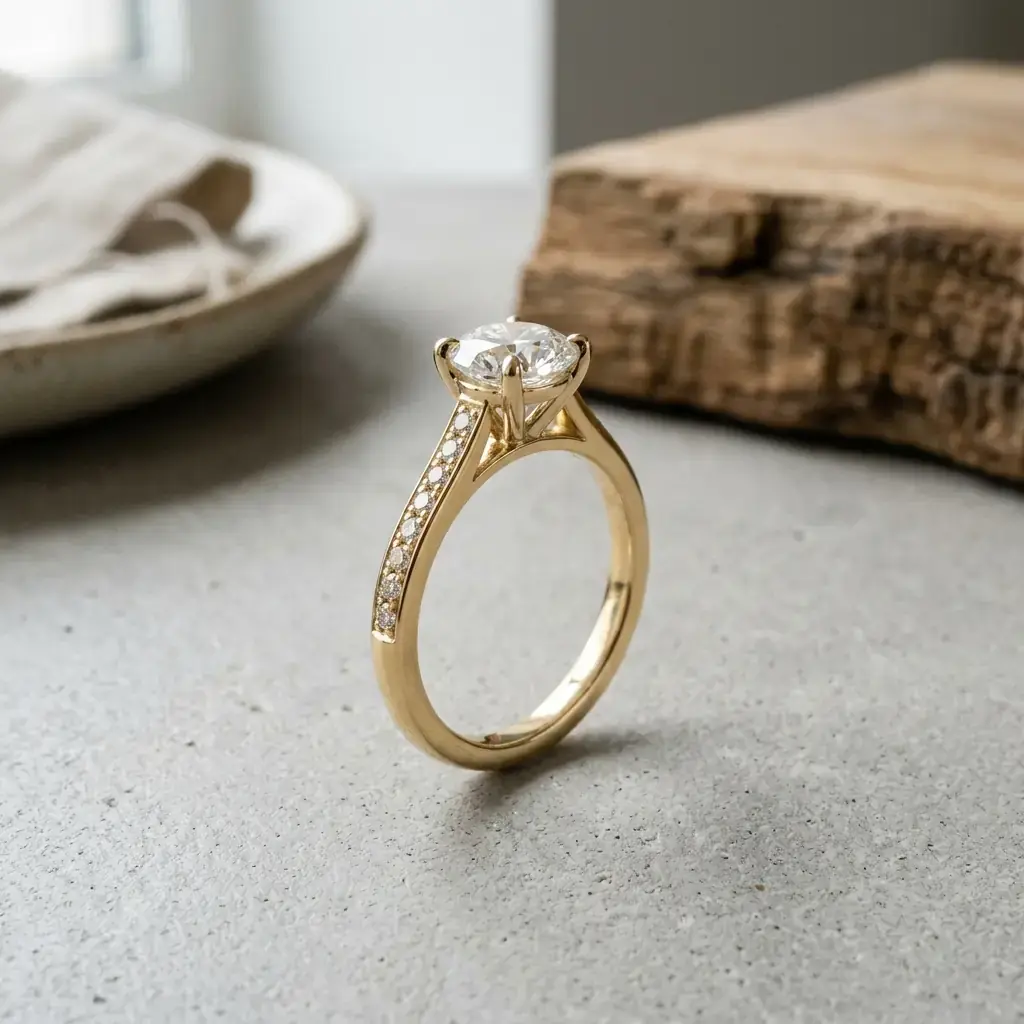
OEM 9K Yellow Gold Lab-Grown Diamond Women’s Ring Manufacturer Guide
Introduction
Manufacturer Ring is a key topic for jewelry brands evaluating OEM manufacturing and custom production options.
Brand owners face a shifting jewelry market in 2026. Consumers still want diamond rings, but they now demand ethical sourcing, transparent pricing, and accessible luxury. Lab-grown diamonds answer that call, and 9K yellow gold offers an affordable yet beautiful metal option.
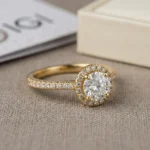
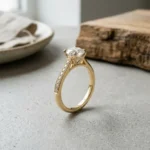
Moreover, for businesses exploring private label jewelry, partnering with an OEM 9K yellow gold lab-grown diamond women’s ring manufacturer provides a direct route to market. This guide explains why this segment grows, what defines quality manufacturing, and how to choose the right production partner.
Why OEM Lab-Grown Diamond Rings Are Trending
Market data points to a clear direction. Lab-grown diamonds continue gaining retail traction while natural diamond engagement sales face headwinds. According to industry reports, major retailers like Signet and Brilliant Earth teams experienced actively sales fluctuations tied to engagement market recovery, yet lab-grown diamond products consistently outperform.
In addition, several factors drive this shift:
- Price sensitivity among younger buyers who prioritize value without compromising on stone size or quality
- Growing awareness of lab-grown diamonds as chemically identical to mined stones
- Retailers expanding lab-grown inventory to meet consumer demand
- Gold price volatility pushing buyers toward lower-karat options like 9K gold
For this reason, brands that launch private label collections with lab-grown stones position themselves ahead of the curve. An OEM manufacturer with IGI certification support gives you credibility from day one.
What Defines a Reliable OEM Women’s Ring Manufacturer
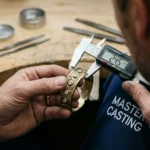
A dependable OEM partner for 9K yellow gold lab-grown diamond rings shares several characteristics. First, they offer IGI certification for lab-grown diamonds, ensuring traceability and quality assurance. Second, they maintain in-house CAD design capabilities for custom modifications.
For example, key characteristics to evaluate:
- Transparent communication about sourcing and production timelines
- Experience with 9K gold alloys and their specific casting requirements
- Ability to handle one-piece custom making alongside small-batch orders
- Consistent quality control across polishing, setting, and finishing
- Clear intellectual property protection for your designs
Meanwhile, the best manufacturers act as extensions of your team rather than mere suppliers.
Best Approaches for Sourcing OEM 9K Gold Rings
Evaluate Metal Quality and Alloy Expertise
9K gold contains 37.5% pure gold, making it harder and more scratch-resistant than 14K or 18K. This durability suits everyday wear, especially for women’s rings that see constant use. However, working with 9K requires specific expertise in alloying and casting to achieve consistent color and strength.
For example, a skilled manufacturer knows how to balance the copper and silver content in 9K yellow gold to avoid tarnishing while maintaining the warm yellow hue buyers expect. Therefore, ask potential partners about their experience specifically with 9K alloys rather than assuming all gold work is equal.
Prioritize IGI Certification for Lab-Grown Diamonds
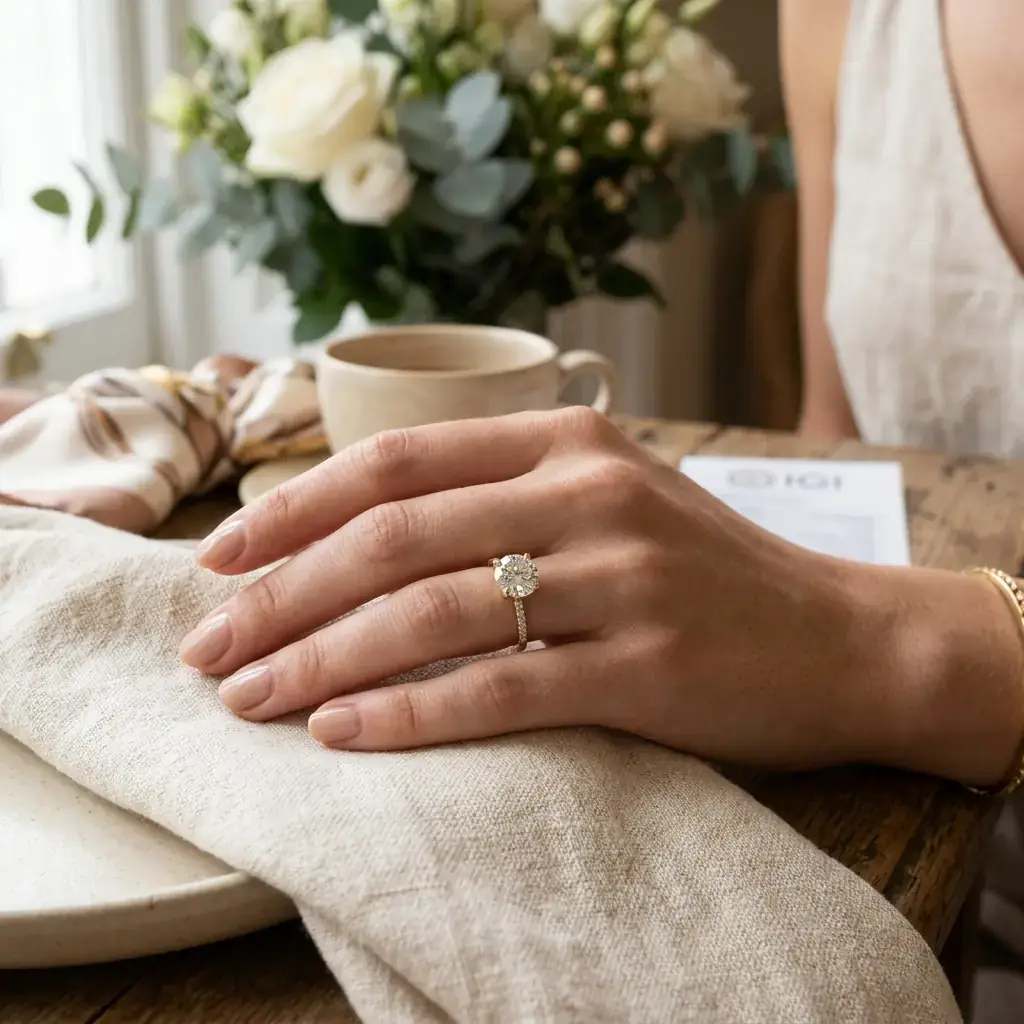
IGI certification provides third-party verification of a lab-grown diamond’s carat weight, color, clarity, and cut quality. This documentation builds consumer trust and simplifies your marketing efforts. Consequently, choose a manufacturer who routinely submits stones for IGI grading rather than offering uncertified alternatives.
Also, certified stones command higher retail prices and reduce return rates. Buyers increasingly check for certification before purchasing, so this factor directly impacts your conversion rates.
Assess CAD Design and Customization Capabilities
Also, custom fine jewelry requires robust CAD capabilities. A manufacturer with in-house designers enables you to modify existing catalog pieces or create entirely new designs. This flexibility matters whether you need a one-piece custom sample or a small-batch production run.
Moreover, strong CAD teams provide photorealistic renderings before production begins. This step eliminates costly mistakes and ensures alignment between your vision and the final product.
Comparison Table
| Feature | 9K Yellow Gold | 14K Yellow Gold | 18K Yellow Gold |
|---|---|---|---|
| Gold Content | 37.5% | 58.5% | 75% |
| Durability | Highest resistance to scratches | Good balance of strength and purity | Softer, prone to wear over time |
| Color | Lighter yellow tone | Classic yellow appearance | Rich, deep yellow hue |
| Price Point | Most affordable | Mid-range | Premium pricing |
| Best For | Everyday wear rings | Engagement rings | Statement fine jewelry |
Why CAD Design Matters for OEM Production
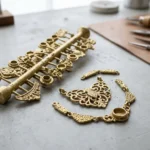
CAD technology transforms how jewelry manufacturers work with brands. Instead of relying on physical wax models or vague descriptions, clients review precise digital renderings before any metal teams committed actively to production. As a result, design iterations happen quickly and affordably.
At Alpha Jewelry, clients typically approve a CAD rendering, then receive a production timeline of 7 to 14 days depending on complexity. This efficiency enables faster market entry compared to traditional manufacturing methods.
Furthermore, CAD files create a permanent design record. You can reuse, modify, or scale designs for future collections without restarting the process from scratch.
FAQ
Q1: What does OEM mean in jewelry manufacturing?
A: OEM stands for Original Equipment Manufacturer. In jewelry, it means a factory produces rings according to your designs and specifications, which you then sell under your own brand name.
Q2: Is 9K gold suitable for everyday diamond rings?
A: Yes. 9K gold contains more alloy metals, making it harder and more resistant to scratches than higher-karat options. This durability suits daily wear well.
Q3: Are lab-grown diamonds real diamonds?
A: Yes. Lab-grown diamonds share identical chemical composition, crystal structure, and optical properties with natural diamonds. Only their origin differs.
Q4: How long does OEM jewelry production take?
A: After CAD approval, production typically takes 7 to 14 days depending on design complexity. Additional time may be needed for IGI certification and shipping.
Q5: Can I order a single custom ring before committing to bulk production?
A: Most manufacturers, including Alpha Jewelry, support one-piece custom making. This approach lets you validate design and quality before placing larger orders.
Conclusion
The jewelry market continues shifting toward lab-grown diamonds and accessible gold options. Brands that partner with experienced OEM manufacturers gain competitive advantages through quality control, certification support, and faster production cycles. As consumer preferences evolve, 9K yellow gold rings with lab-grown diamonds represent a practical, ethical, and profitable product category worth pursuing.