Blog
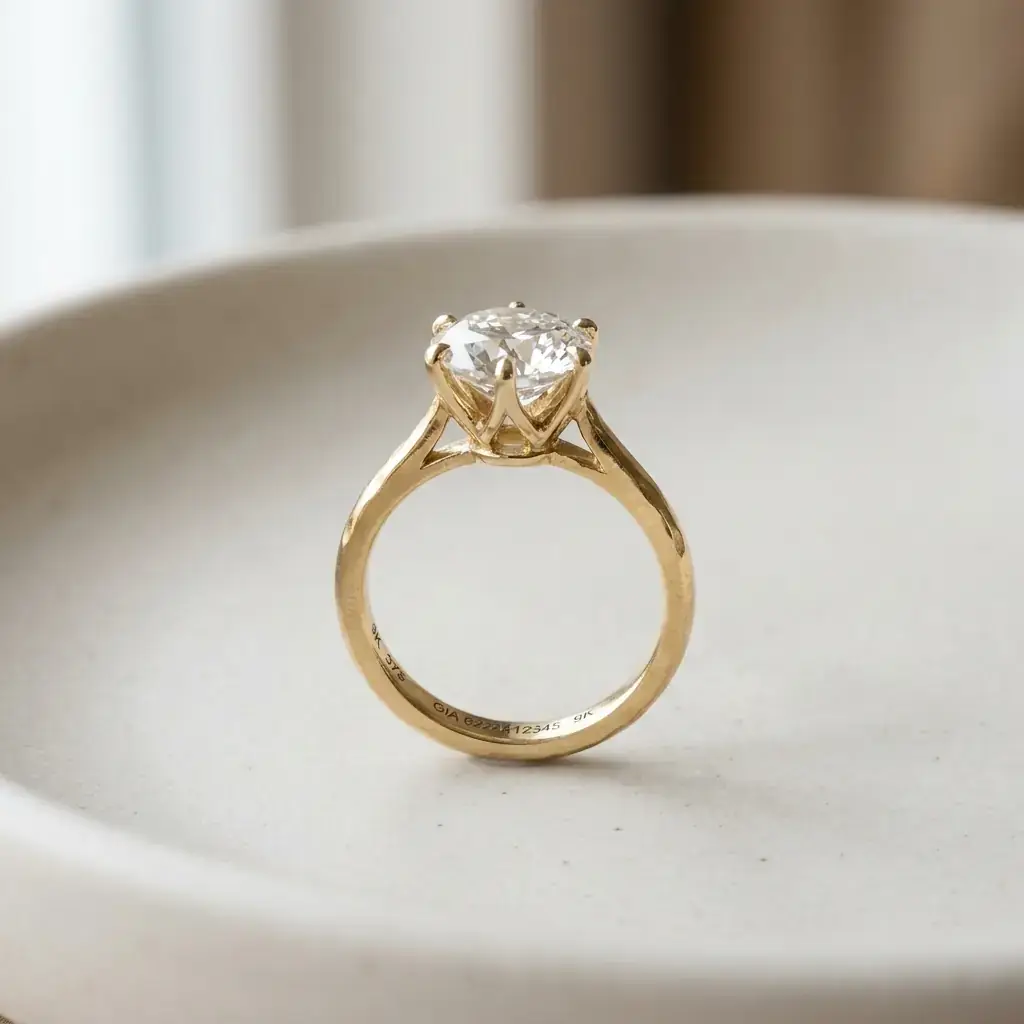
Fine Jewelry OEM Factory: Why 9K Yellow Gold GIA Diamond Rings Win
Factory Ring is a key topic for jewelry brands evaluating OEM manufacturing and custom production options.
Brand owners today face a crowded market. Retailers want distinctive pieces, yet most factories push the same catalog. Consequently, a fine jewelry OEM factory that handles 9K yellow gold and GIA-certified natural diamonds has become a genuine competitive edge.
This article explains how OEM and ODM partnerships work for custom rings, and why the 9K gold plus GIA diamond combination fits modern fine jewelry brands so well.
Why Fine Jewelry OEM Is Trending
What Brand Owners Struggle With
- Generic suppliers offer limited metal and stone combinations
- Certifying natural diamonds adds cost and complexity
- Small-batch runs often fall below most factory minimums
- Design files rarely translate cleanly into production
Meanwhile, gold price volatility pushes brands toward lighter, smarter alloys. In addition, De Beers now screens lab-grown stones at scale, so the market splits clearly between natural and lab-grown lines. As a result, buyers expect transparency on every diamond’s origin.
For this reason, brands increasingly seek a fine jewelry OEM factory that manages certification, alloying, and finishing under one roof.
What Defines a Strong OEM Ring Program
Moreover, a fine jewelry OEM program means the factory manufactures under your brand, to your specification.
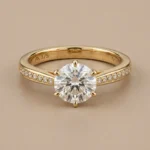
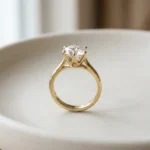
- 9K yellow gold offers durability and a warm tone at lower cost
- GIA-certified natural diamonds carry independent grading
- CAD files define every dimension before cutting begins
- One-piece custom making supports sampling and hero pieces
- Small-batch production keeps inventory lean
Moreover, each element reinforces the others. For example, CAD precision lets a brand test a 9K gold design before committing to a full run.
Key Factors for Brand Owners
Choosing the Right Metal
9K yellow gold contains 37.5 percent pure gold. Consequently, it resists scratching better than softer alloys and holds a rich color.
Also, 9K gold costs less than 14K or 18K, so brands protect margins on entry-level lines. Meanwhile, 18K and Pt950 suit premium tiers.
Sourcing Certified Natural Diamonds
GIA certification confirms a diamond’s cut, color, clarity, and carat. Therefore, brands can market natural diamonds with verifiable proof.
In addition, mixing GIA natural diamonds with lab-grown options lets one brand serve two buyer segments.
Managing Design and Sampling
CAD design turns a sketch into a manufacturable model. Subsequently, brands approve proportions, prong style, and band width before production.
That said, sampling stays affordable because factories support one-piece custom making.
Comparison: Ring Design Choices
| Factor | Bezel Setting | Prong Setting |
|---|---|---|
| Stone security | High, fully enclosed | Moderate, exposed edges |
| Light performance | Softer, even glow | Bright, high sparkle |
| Maintenance | Low, easy to clean | Regular prong checks |
| Style profile | Modern, minimal | Classic, traditional |
| Best for | Daily-wear rings | Statement center stones |
Similarly, brands weigh band width and profile height against their target customer.
Why Custom CAD Matters
CAD design removes guesswork from OEM production. Brands see a 3D model, request changes, and approve a final file. Consequently, the factory cuts metal only once the design teams locked actively.
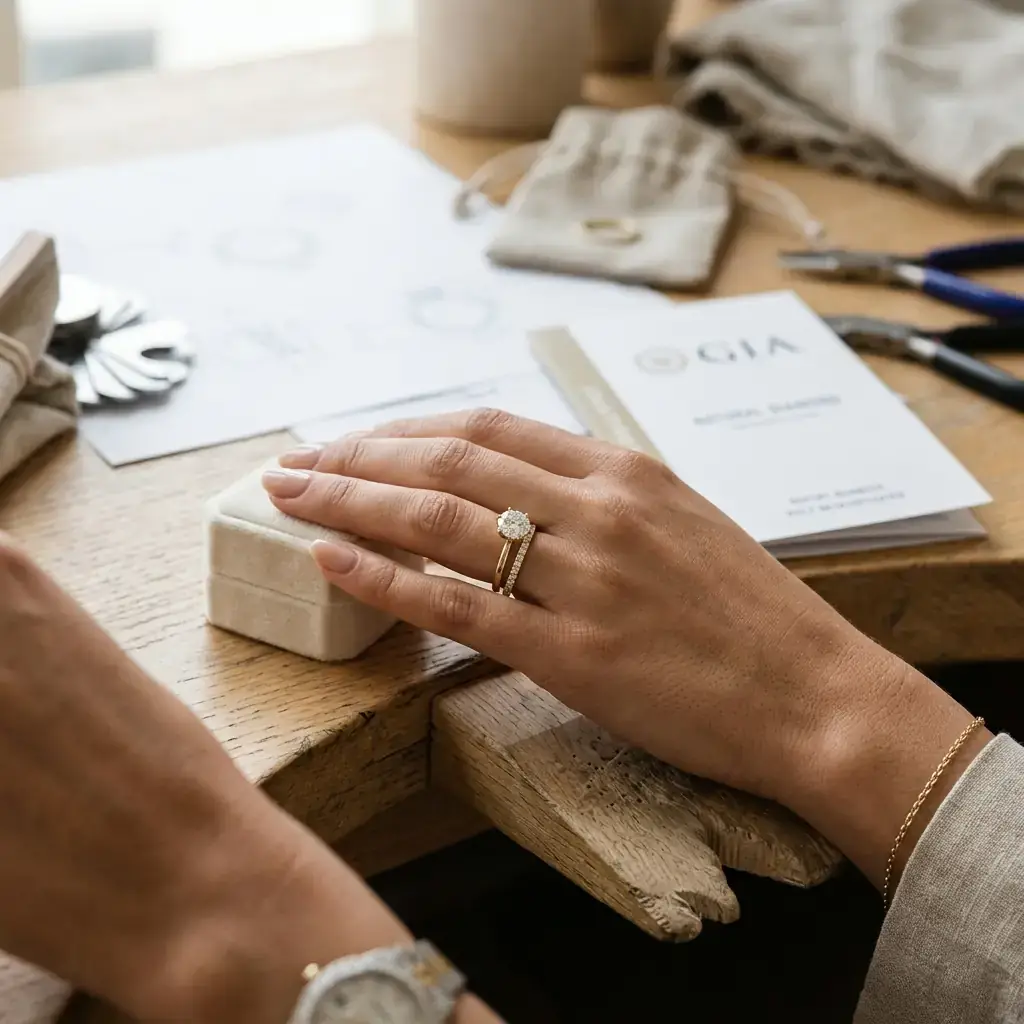
At Alpha Jewelry, clients use CAD to refine 9K gold rings with GIA natural diamonds before any batch begins. This step protects both budget and timeline.
FAQ
What does a fine jewelry OEM factory do?
It manufactures jewelry under your brand name, following your designs, materials, and specifications.
Why choose 9K yellow gold for custom rings?
9K gold balances durability, warm color, and cost, which suits accessible luxury lines.
Do GIA-certified diamonds matter for OEM brands?
Yes. GIA grading gives buyers independent proof of a natural diamond’s quality.
Can a factory produce a single custom ring?
Yes. One-piece custom making supports samples and limited hero pieces.
How long does OEM production take?
Production takes 7 to 14 days after CAD approval, depending on complexity.
What metals can brands specify?
Options include 9K, 10K, 14K, and 18K gold, plus Pt950.
Which stones work for OEM rings?
Brands choose lab-grown diamonds, natural diamonds, or natural gemstones.
What is the minimum order quantity?
Factories that support one-piece custom making set no fixed minimum.
Conclusion
The fine jewelry OEM model keeps shifting toward certified stones, lighter gold alloys, and CAD-driven precision. Brands that master this combination will define the next wave of custom ring collections.