Blog
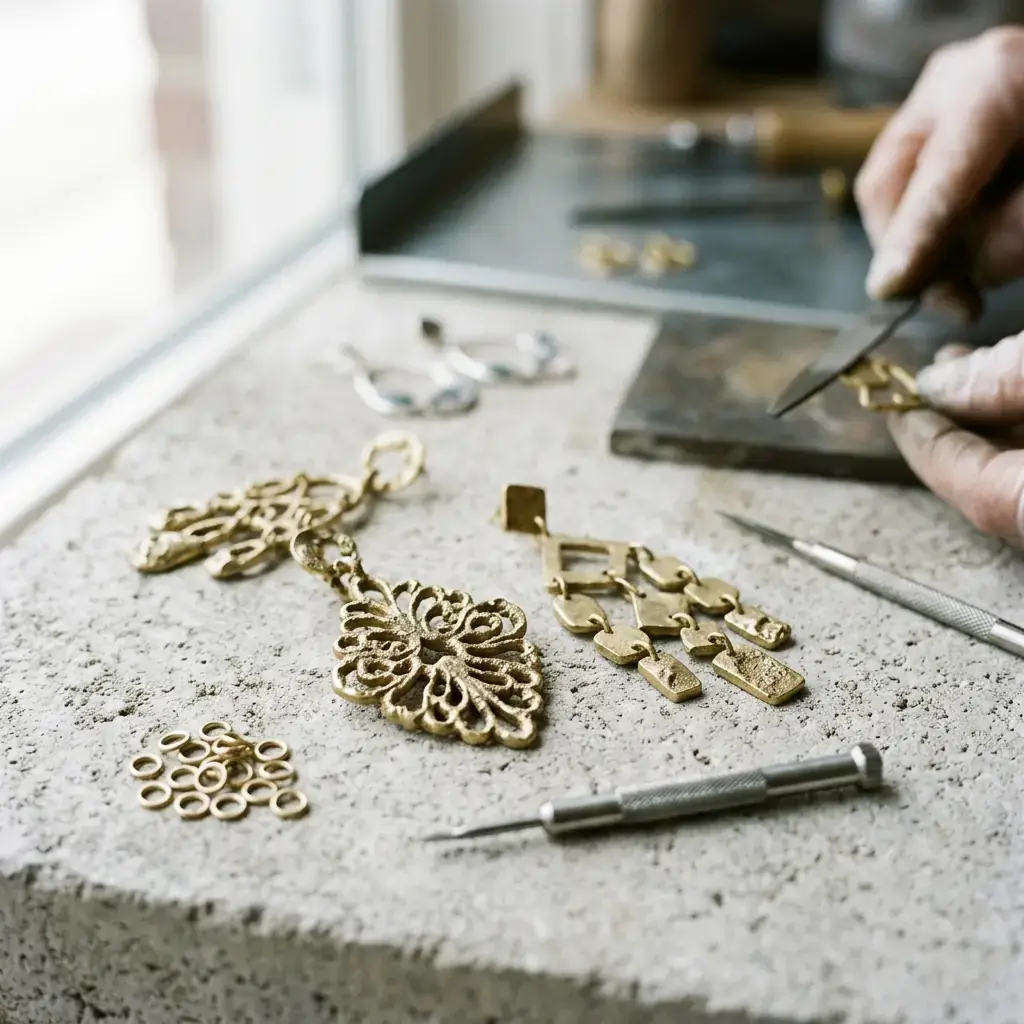
Brass Casting Earrings: A Limited-Use Option, Not a Fine Jewelry Target
Manufacturer Rings is a key topic for jewelry brands evaluating OEM manufacturing and custom production options.
Custom brass earring casting manufacturers serve a specific, narrow purpose in today’s jewelry market. However, brand owners who understand where brass fits — and where it does not — make smarter sourcing decisions. This article explains why brass casting earrings remain a limited tool, and why serious fine jewelry programs look elsewhere.
Why Brass Casting Earrings Stay Limited
Moreover, brass casting earrings fill a gap, but that gap keeps shrinking. Several market shifts explain the trend.
- Rising gold prices push cost-conscious buyers toward alternative metals, yet most still prefer gold-filled or vermeil over raw brass
- Lab-grown diamonds now appear in 51% of new engagement rings, signaling that buyers want real value, not base-metal substitutes
- Consumers increasingly treat jewelry as an investment, and brass carries no resale or heirloom value
- Nickel sensitivity and tarnishing complaints drive returns, which hurts brand reputation fast
As a result, brass casting earrings work for fashion and sample runs, but rarely for premium positioning. The market rewards brands that align materials with buyer expectations.
What Defines Brass Casting Earrings
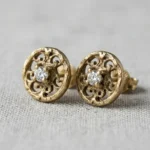
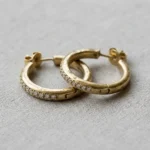
Brass casting earrings are earrings produced by pouring molten brass alloy into molds, then finishing the surface.
- Base metal: brass (copper-zinc alloy), not precious metal
- Production method: casting, often via lost-wax or sand casting
- Cost profile: low material and tooling cost per unit
- Finish options: gold plating, antiquing, enamel, or lacquer
- Typical use: fashion jewelry, trend pieces, prototypes, and market testing
Key Factors When Considering Brass Casting
Cost and Speed
For example, brass casting offers a fast, low-cost path to a finished earring. Also, tooling is cheaper than precious-metal casting. Consequently, it suits brands testing a new silhouette before committing to fine jewelry production.
Durability and Wear
However, brass tarnishes over time, especially against skin. Moreover, plating wears through with daily use. Therefore, brass casting earrings rarely satisfy buyers who expect a lifetime piece.
Brand Positioning
Meanwhile, luxury and bridal buyers associate brass with costume jewelry. Similarly, retailers place brass pieces in entry-level displays. As a result, brands using brass for core lines risk confusing their positioning.
Comparison: Brass vs Fine Jewelry Approaches
| Factor | Brass Casting | Precious Metal Custom |
|---|---|---|
| Perceived value | Low, fashion-tier | High, heirloom-tier |
| Skin comfort | Can irritate sensitive skin | Generally skin-friendly |
| Longevity | Tarnishes, plating wears | Retains finish for decades |
| Best use case | Trend tests, samples | Core collections, bridal |
| Buyer expectation | Disposable fashion | Investment and sentiment |
Why Custom and CAD Matter Here
CAD design lets brands test a brass concept, then translate the same geometry into gold or platinum without redesigning. At Alpha Jewelry, clients often prototype in base metal, then move approved designs into 9K, 14K, 18K gold, or Pt950 for production.
This workflow keeps creative risk low and quality high. Moreover, one-piece custom making means a brand can validate a single earring before scaling into small-batch production.
FAQ
Is brass casting suitable for fine jewelry?
No. Brass is a base metal, so it suits fashion jewelry and prototypes rather than fine jewelry collections.
Why do brass earrings tarnish?
Brass reacts with air, moisture, and skin oils. Consequently, it oxidizes and darkens unless sealed with a durable plating.
Can brass earrings be plated to look like gold?
Yes. However, plating wears over time, so the piece loses its gold appearance with regular wear.
Are brass earrings safe for sensitive ears?
Not always. Many people react to the copper and zinc in brass, especially when plating wears thin.
What metal should replace brass for premium earrings?
Brands typically move to 9K, 10K, 14K, or 18K gold, or Pt950, depending on budget and positioning.
Conclusion
Brass casting earrings remain a useful prototyping and fashion tool, but they cannot carry a fine jewelry brand. As buyers increasingly value longevity and real materials, the smart path runs from brass concept to precious-metal production.