

Blog
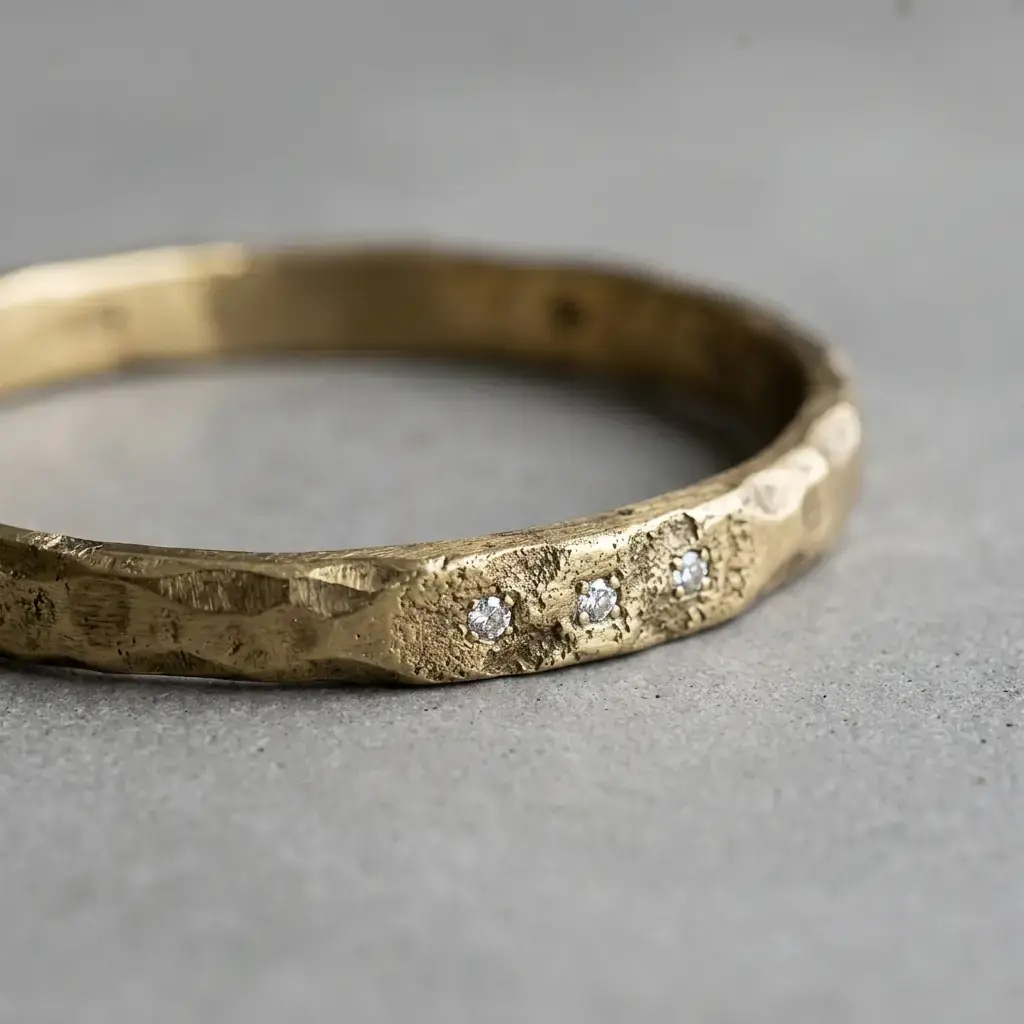
Why Brass Casting Bracelets Are Not a Fine Jewelry Strategy
Manufacturer Rings is a key topic for jewelry brands evaluating OEM manufacturing and custom production options.
Brass casting bracelets attract attention for one reason: price. However, for brands that serve clients seeking custom engagement rings or custom fine jewelry, brass represents a limited category with real drawbacks.
This article explains why brass casting bracelets serve narrow use cases, where they fit in a product lineup, and why fine jewelry brands should direct their casting efforts toward precious metals instead.
Why Brass Casting Bracelets Are Trending
The broader jewelry market shows a clear pattern. Rising gold prices push consumers toward value-per-gram thinking, according to Indian Jeweller. As a result, some brands experiment with brass as a low-cost alternative.
Moreover, several factors drive this interest:
- Cost pressure on entry-level fashion lines
- Fast-fashion demand for trend-driven styles
- Experimentation with mixed-metal looks
- Budget-friendly options for younger buyers
However, the same market data reveals a counter-trend. Buyers increasingly prioritize quality and longevity. For this reason, brass remains a fashion material, not a fine jewelry material.
What Defines a Brass Casting Bracelet
A brass casting bracelet starts as molten brass alloy poured into a mold. Manufacturers then finish it with polishing or plating.
In addition, key characteristics include:
- Low material cost compared to gold or platinum
- Higher risk of skin irritation for sensitive wearers
- Susceptibility to tarnishing without protective plating
- Limited resale value
- Shorter lifespan under daily wear
These traits define brass as a disposable fashion item. Consequently, it does not align with the expectations of fine jewelry buyers.
Best Approaches for Brass Casting Bracelets
Fashion Jewelry Lines
For brands targeting fast-fashion segments, brass casting bracelets work well. Designers can create bold statement pieces without high material costs. Moreover, they can test new styles quickly and adjust production based on sales data.
Mixed-Metal Collections
Some designers combine brass with leather or enamel for casual collections. This approach keeps costs low while offering visual interest. However, brands must clearly communicate the material difference to avoid customer confusion.
Fine Jewelry Positioning
For fine jewelry brands, brass fails to meet expectations. Clients seeking custom fine jewelry expect durability, hypoallergenic properties, and lasting value. Therefore, brass casting bracelets should not appear in fine jewelry catalogs.
Comparison Table
| Feature | Brass Bracelet | Gold Bracelet |
|---|---|---|
| Initial cost | Low | High |
| Durability | Moderate | High |
| Skin compatibility | Variable | Excellent |
| Resale value | Minimal | Strong |
| Perceived value | Fashion | Investment |
Why Custom CAD Matters
CAD design changes how brands approach bracelet production. With CAD, designers can refine proportions and details before committing to a casting run. This process works for both brass and precious metals.
For example, at Alpha Jewelry, clients typically use CAD for custom engagement rings and custom fine jewelry pieces. For brass casting bracelets, the same technology applies, but the material choice limits the final product’s longevity.
Brands that want to build lasting customer relationships should prioritize precious metals. For example, 14K gold or 18K gold bracelets offer durability and timeless appeal. Meanwhile, brass remains a short-term option.
FAQ
Q1: Can brass casting bracelets be worn daily?
A: Brass can tarnish quickly with daily wear. Plating helps but wears off over time.
Q2: Is brass safe for sensitive skin?
A: Brass contains copper and zinc, which can irritate sensitive skin. Nickel traces may also cause reactions.
Q3: How long does a brass bracelet last?
A: With proper care, a plated brass bracelet lasts several months to a few years. It depends on wear frequency.
Q4: Can brass bracelets be resized?
A: Resizing brass is difficult. The material does not solder as cleanly as gold or silver.
Q5: Why choose gold over brass?
A: Gold offers durability, hypoallergenic properties, and resale value. Brass offers none of these long-term benefits.
Conclusion
Brass casting bracelets serve a narrow role in fashion jewelry. However, for brands focused on custom fine jewelry, precious metals remain the correct choice. As gold prices continue to shift buyer behavior, clear material communication becomes essential. Brands that position brass honestly will protect their reputation while exploring budget-friendly segments.


