Blog
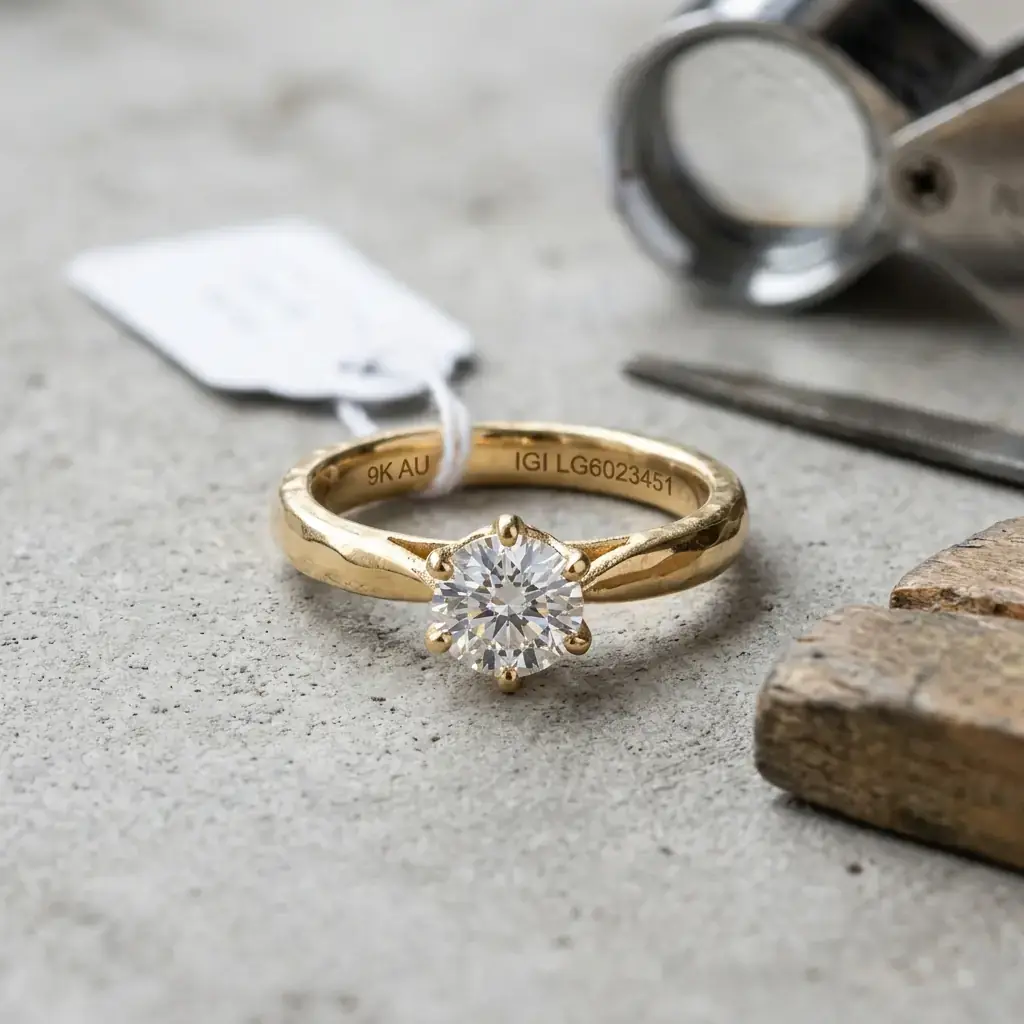
Fine Jewelry OEM Factory Guide: 9K Gold and IGI Lab-Grown Diamond Rings
Factory Ring is a key topic for jewelry brands evaluating OEM manufacturing and custom production options.
Jewelry brands face a difficult decision in 2026. Rising gold prices push consumers toward lighter, lower-carat designs, while lab-grown diamonds capture over half of newly appraised engagement rings. For brands that sell custom rings, this creates a clear opportunity.
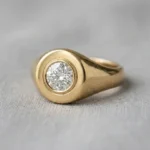
Moreover, a fine jewelry OEM factory that specializes in 9K yellow gold and IGI lab-grown diamond rings offers a practical path forward. This guide explains what to look for, why these materials matter, and how the right manufacturing partner supports your brand.
Why This Combination Is Gaining Momentum
The market shifts for two reasons. First, gold prices remain at historic highs. As a result, consumers increasingly accept 9K gold as a smart alternative to 14K or 18K. Second, lab-grown diamonds now appear in 51% of newly appraised engagement rings, according to Centurion Jewelry Show data.
In addition, consider these market realities:
- Buyers want larger stones without paying natural diamond premiums
- Retailers need competitive price points to maintain margins
- Brands seek ethical sourcing stories that resonate with younger customers
- Lower-carat gold reduces material costs while maintaining durability
- IGI certification provides third-party verification that builds trust
Meanwhile, CIBJO recently decided that “synthetic” remains the only acceptable term for lab-grown stones in regulatory contexts. This distinction matters for brands that need clear, compliant labeling across international markets.
What Defines a Reliable Fine Jewelry OEM Factory
For example, a fine jewelry OEM factory handles production, quality control, and finishing under your brand name. Unlike a simple supplier, an OEM partner manages the entire manufacturing process according to your specifications.
Also, key characteristics of a dependable OEM partner include:
- In-house CAD design capabilities for custom ring development
- Direct access to IGI-certified lab-grown diamonds
- Consistent casting and finishing across production batches
- Clear communication on production timelines and milestones
- Quality inspection protocols before shipment
For example, a brand that sells 9K yellow gold engagement rings needs a factory that understands the specific casting temperatures, finishing techniques, and durability requirements of lower-carat gold alloys.
Key Factors for Sourcing 9K Gold and Lab-Grown Diamond Rings
Metal Selection and Consumer Perception
9K gold contains 37.5% pure gold, making it more affordable than 14K or 18K alternatives. However, 9K gold offers greater hardness and scratch resistance than higher-carat options. This durability makes it suitable for everyday wear rings.
That said, brands should educate customers about the color difference. 9K yellow gold appears slightly lighter than 14K or 18K. For this reason, clear product descriptions and accurate photography become essential.
IGI Certification and Lab-Grown Diamond Quality
IGI certification provides consistent grading for lab-grown diamonds. When sourcing, verify that your factory can supply IGI-certified stones with documented clarity, color, and cut grades.
Lab-grown diamonds offer identical optical properties to natural diamonds. Meanwhile, they typically cost 30% to 40% less. This price difference allows brands to offer larger center stones within customer budgets.
Production Capabilities and Custom Work
Custom ring production requires a factory that can move from CAD renderings to finished pieces efficiently. A typical timeline spans 7 to 14 days after CAD approval, depending on design complexity.
Look for factories that support one-piece custom making. This flexibility allows you to test designs without committing to large minimum order quantities. Small-batch production also works well for limited collections or seasonal launches.
Comparison: 9K vs 14K Gold for Custom Rings
| Feature | 9K Yellow Gold | 14K Yellow Gold |
|---|---|---|
| Gold content | 37.5% | 58.5% |
| Durability | Higher hardness, more scratch resistant | Softer, requires more care |
| Color | Lighter yellow tone | Richer yellow tone |
| Price point | More affordable | Moderate premium |
| Best suited for | Everyday rings, fashion-forward buyers | Traditional fine jewelry buyers |
Why Custom Design and CAD Matter
Custom ring programs differentiate your brand in a crowded market. CAD design lets customers visualize their ring before production begins. This process reduces errors and ensures the final piece matches expectations.
At Alpha Jewelry, clients typically review CAD renderings, request adjustments, and approve the final design before production starts. This workflow prevents costly mistakes and builds customer confidence in the purchasing process.
Moreover, CAD technology enables precise stone setting layouts. For lab-grown diamond rings, this precision ensures optimal light performance and secure stone placement.
FAQ
Q1: What does a fine jewelry OEM factory do?
A: A fine jewelry OEM factory manufactures rings and other jewelry pieces according to your specifications. It handles casting, stone setting, finishing, and quality control while you sell under your own brand.
Q2: Is 9K gold suitable for engagement rings?
A: Yes, 9K gold works well for engagement rings because it offers greater hardness than higher-carat gold. It resists scratches and daily wear while providing a more affordable price point.
Q3: Why choose IGI-certified lab-grown diamonds?
A: IGI certification provides independent verification of diamond quality. Lab-grown diamonds offer the same optical properties as natural diamonds at a lower cost.
Q4: What is the typical production timeline for custom rings?
A: Production usually takes 7 to 14 days after CAD approval, depending on design complexity. Simple designs finish faster than intricate custom settings.
Q5: Can I order custom rings in small quantities?
A: Yes, many fine jewelry OEM factories support one-piece custom making. This flexibility allows you to test designs or fulfill individual customer requests without large minimum orders.
Conclusion
The combination of 9K yellow gold and IGI lab-grown diamonds aligns with current market conditions. Rising gold prices push buyers toward lower-carat options, while lab-grown stones offer value without compromising quality. Brands that partner with a capable fine jewelry OEM factory can launch custom ring programs that meet this demand efficiently. As consumer preferences continue evolving, this material pairing will likely remain a practical choice for both new and established jewelry brands.