Blog
1. H1 Title
Custom Engagement Ring is a key topic for jewelry brands evaluating OEM manufacturing and custom production options.
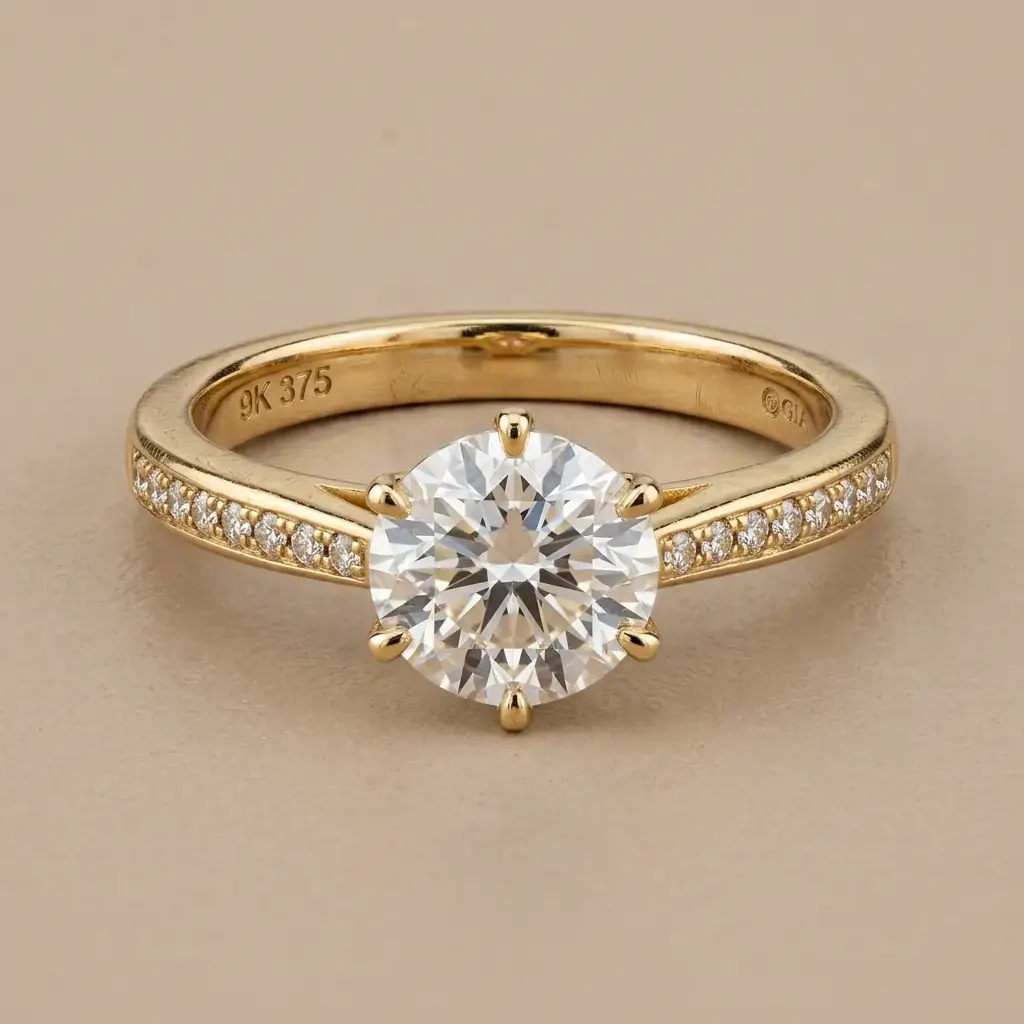
Moreover, 9K Yellow Gold GIA Natural Diamond Rings: OEM Factory Guide
2. Introduction
Bridal brands and engagement ring sellers face a shifting market in 2026. Gold prices fluctuate weekly, lab-grown diamonds dominate headlines, and consumers expect faster drops with lower minimums. Meanwhile, the natural diamond story still carries emotional weight for a loyal segment of buyers.
For this reason, sourcing the right manufacturing partner matters more than ever. This guide breaks down how an OEM factory approaches 9K yellow gold GIA natural diamond rings — and what brand owners should evaluate before placing a production order.
3. Why OEM Sourcing for Natural Diamond Rings Is Trending
What Is Driving the Shift
- Retailers want private-label collections that stand apart from mass-market catalogs
- Natural diamond demand holds steady among buyers who value GIA certification and resale heritage
- 9K gold offers a cost-efficient entry point without sacrificing the warm yellow tone consumers love
- Small-batch production lets brands test designs before committing to large inventory
Consequently, more bridal labels now look directly to factories rather than traditional wholesale distributors. They gain control over design, stone sourcing, and packaging — all while protecting margins.
4. What Defines a Strong OEM Partnership
In addition, a reliable OEM partnership means the factory builds to your brand spec, not its own catalog.
- CAD files developed from your sketches or reference images
- GIA-certified natural diamonds sourced to your clarity and carat targets
- 9K, 10K, 14K, 18K gold and Pt950 options under one roof
- One-piece custom making supported for sampling
- Clear production timelines after CAD approval
In addition, strong partners offer ODM support when you need design direction rather than a finished blueprint.
5. Key Factors for Bridal Brand Owners
Metal and Stone Selection
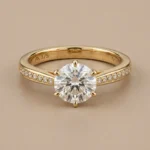
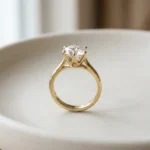
9K yellow gold appeals to price-conscious bridal buyers who still want a traditional look. Moreover, its hardness suits everyday wear. For stones, GIA-certified natural diamonds reassure customers about origin and grading. However, many brands now pair natural center stones with lab-grown accents to balance cost.
Design and CAD Workflow
CAD design shortens the gap between concept and production. Therefore, brands can iterate quickly — adjusting band width, prong style, or halo proportions before committing to metal. This step also reduces costly errors during casting.
Production Scale and Timing
Small-batch production lets emerging labels launch without heavy inventory risk. Meanwhile, established brands use the same flexibility for seasonal drops. Most orders move to production within 7–14 days after CAD approval, depending on complexity.
6. Comparison Table
| Factor | 9K Yellow Gold | 14K Yellow Gold | Platinum Pt950 |
|---|---|---|---|
| Color warmth | Rich yellow | Softer yellow | White-grey |
| Everyday durability | High | High | Very high |
| Buyer perception | Value-focused | Balanced | Premium |
| Design flexibility | Excellent | Excellent | Good |
| Maintenance needs | Low | Low | Moderate |
7. Why Custom / CAD Matters
CAD design turns a brand’s idea into a manufacturable file. It also allows precise stone placement, which matters when working with GIA-certified natural diamonds. At Alpha Jewelry, clients often review 3D renders before approving a single gram of gold.
Furthermore, CAD files become reusable assets. A brand can refine one signature setting across multiple SKUs without starting from scratch each season.
8. FAQ
What is a 9K yellow gold engagement ring?
It is a ring made from 37.5% gold alloyed with other metals. The mix gives it strength and a warm yellow tone at a lower cost than higher karats.
Why choose GIA-certified natural diamonds for OEM production?
GIA certification provides independent grading for cut, color, clarity, and carat. Therefore, brands can market stones with verified specs and build customer trust.
Can an OEM factory produce one-piece custom rings?
Yes. Many factories, including Alpha Jewelry, support one-piece custom making for sampling and small launches.
How long does OEM production take?
Most orders ship within 7–14 days after CAD approval. Complex designs with intricate stone settings may take longer.
What is the difference between OEM and ODM?
OEM means the factory builds to your design. ODM means the factory offers existing designs you can brand and modify.
Do OEM factories work with lab-grown diamonds?
Yes. Many factories now source both natural and lab-grown stones, giving brands flexibility across price tiers.
What metals can bridal brands order?
Common options include 9K, 10K, 14K, and 18K gold, plus Pt950 platinum.
9. Conclusion
The bridal jewelry market is splitting into two clear paths: heritage natural diamond pieces and accessible lab-grown designs. For brand owners, the smartest move is partnering with a factory that handles both — and that starts with the right OEM relationship.