
Blog
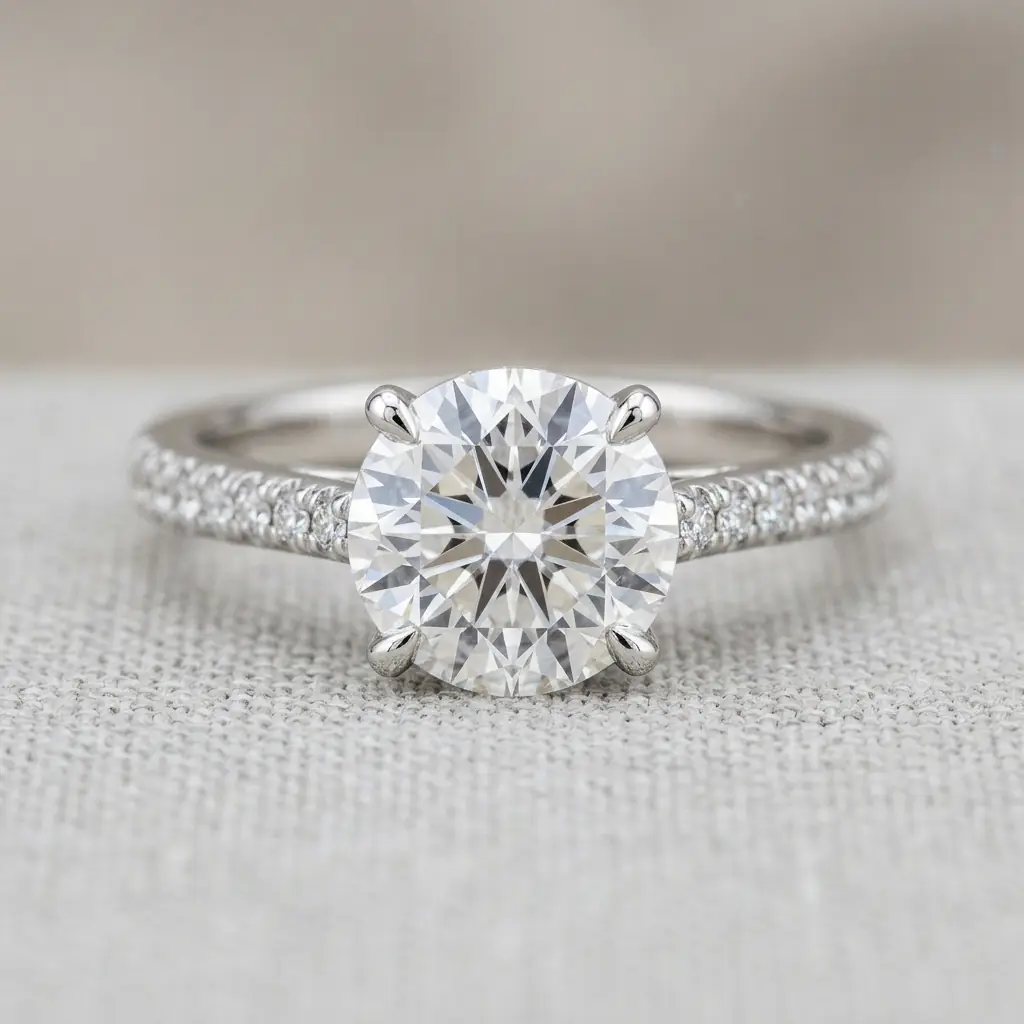
What Shapes Ashes-to-Diamond Pricing: Carat, Color, Setting, and Time
Ashes-To-Diamond Pricing is a key topic for jewelry brands evaluating OEM manufacturing and custom production options.
Memorial diamonds turn a personal loss into something you can hold. Because the process is so intimate, families often assume the cost teams fixed actively. In reality, several quiet variables shape what a memorial diamond ultimately involves.
Understanding those factors helps you plan with clarity instead of guesswork. This guide walks through the choices that move ashes-to-diamond pricing up or down, without quoting figures that vary by provider.
Why Ashes-to-Diamond Pricing Is Trending
Memorial diamond services teams moved actively from niche labs into mainstream custom jewelry. More families now compare options before committing.
- Demand for meaningful, non-traditional memorials keeps rising.
- Lab-grown diamond technology has matured, widening what providers can offer.
- Custom fine jewelry buyers want a keepsake, not a generic urn.
- Social sharing of memorial pieces has normalized the conversation.
As a result, buyers ask sharper questions about what actually drives cost. The answer rarely comes down to a single number.
What Defines the Cost of a Memorial Diamond
Memorial diamond pricing reflects the physical and creative choices around a single stone. Providers weigh how much carbon they can recover, how large a finished diamond you want, and how it teams will worn.
In short, cost follows complexity. Every decision from carat to setting adds or removes work.
Key Factors That Affect Ashes-to-Diamond Pricing
Carat Size and Carbon Recovery
Larger diamonds require more extracted carbon and longer growth cycles. Consequently, carat size teams often actively the single biggest lever on cost.
Small stones keep the process lean. Bigger stones demand more material, more time, and more careful handling throughout.
Color and Clarity Choices
Memorial diamonds can lean warm or near-colorless depending on the growth approach. A near-colorless result usually takes more refinement, which affects pricing.
Meanwhile, a warmer tone can suit a vintage-inspired design and cost less. Color preference is personal, so it pays to decide early.
Jewelry Setting Complexity
A simple solitaire band involves far less labor than a halo with pavé detailing. Therefore, the setting you choose shapes the final figure as much as the stone.
Complex settings also raise the risk of rework. That added bench time shows up in the quote.
Turnaround and Timing
Faster timelines often mean prioritized lab scheduling. Conversely, a relaxed timeline lets providers batch work and reduce pressure.
Also, seasonal demand can stretch turnaround. Planning ahead usually keeps both cost and stress lower.
Comparison Table
| Factor | Lower-Cost Choice | Higher-Cost Choice |
| Carat size | Modest stone | Large statement stone |
| Color | Warm tone | Near-colorless |
| Setting | Simple solitaire | Halo with pavé |
| Timeline | Flexible schedule | Rush delivery |
| Design | Stock setting | Fully bespoke piece |
Why Custom and CAD Matter
CAD design lets you see the finished piece before any metal is cut. For memorial jewelry, that preview matters because the stone is irreplaceable.
At Alpha Jewelry, clients often use CAD to test proportions and setting styles before committing. This step reduces costly revisions and keeps the focus on the stone itself.

FAQ
How does carat size change ashes-to-diamond pricing?
Larger stones need more recovered carbon and longer growth, so they cost more. Smaller stones keep the process simpler.
Does diamond color affect the price?
Yes. Near-colorless results usually require more refinement than warmer tones, which raises cost.
Is a complex setting more expensive?
Generally, yes. Halos, pavé, and multi-stone designs add bench time and labor.
Can a faster turnaround cost more?
Often it can. Rush scheduling may carry a premium because it reshuffles lab priorities.
Does the amount of ash provided matter?
It can. More recoverable carbon gives providers flexibility, though requirements vary by process.
Conclusion
Ashes-to-diamond pricing comes down to a handful of honest trade-offs: stone size, color, setting detail, and time. Families who weigh these early tend to feel more at peace with both the piece and the process.
Start Your Custom Jewelry Project
Alpha Jewelry manufactures custom and private label fine jewelry for brands, with low MOQ sampling, in-house 3D design, casting and stone setting. Send us your sketch, reference photo or CAD file and our team will reply within one business day.
- Request a quote: www.alphajewelry.com/contact/
- WhatsApp: wa.me/8618520595760
- Email: alpha_jewelry@163.com
Learn more: memorial diamond ashes-to-diamond service · OEM jewelry manufacturing service · our custom jewelry cooperation process.


